Giải mã bứt phá: Nền tảng thương mại điện tử nào tại Việt Nam có tỷ lệ người dùng xem phiên bán hàng trực tiếp (livestream) cao nhất? Thống kê từ top 5 nền tảng thương mại điện tử.

Giải mã bứt phá: Nền tảng thương mại điện tử nào tại Việt Nam có tỷ lệ người dùng xem phiên bán hàng trực tiếp (livestream) cao nhất? Thống kê từ top 5 nền tảng thương mại điện tử.

Tóm tắt ý chính (Key Takeaways):
* Ngôi vương Livestream: Theo dữ liệu mới nhất từ Decision Lab (Q3/2024), TikTok Shop chính thức vượt mặt Facebook, trở thành nền tảng có tỷ lệ người dùng ưu tiên xem livestream cao nhất (33%).
* Thị phần tổng thể: Bất chấp sự trỗi dậy của đối thủ, Shopee vẫn giữ vị thế Top 1 về tổng doanh thu GMV (hơn 57%), tạo ra thế bám đuổi song mã chiếm đến 97% thị phần TMĐT tại Việt Nam.
* Hành vi người dùng: Tỷ lệ chênh lệch lượt xem đến từ “User Intent”. TikTok Shop chiến thắng nhờ mô hình Shoppertainment (giải trí sinh ra nhu cầu mua), trong khi Shopee mạnh về mua sắm có chủ đích để săn mã giảm giá.
* Hạ tầng kỹ thuật: Đằng sau các phiên Mega Livestream hàng triệu lượt xem là cuộc chiến về hạ tầng truyền dẫn mạng (CDN) và xử lý video thời gian thực, nơi các giải pháp như Sigma Multi CDN và Sigma Package Origin đóng vai trò cốt lõi.

Trong bối cảnh nền kinh tế số đang tái định hình thói quen tiêu dùng, câu hỏi Nền tảng thương mại điện tử nào tại Việt Nam có tỷ lệ người dùng xem phiên bán hàng trực tiếp (livestream) cao nhất? Thống kê từ top 5 nền tảng thương mại điện tử. đang trở thành nỗi trăn trở lớn nhất của các Giám đốc Chiến lược và nhà bán lẻ. Trong bài viết chuyên sâu này, dưới lăng kính của một chuyên gia phân tích dữ liệu và tư vấn hạ tầng công nghệ, tôi sẽ cùng bạn bóc tách từng lớp sự thật đằng sau những con số tỷ đô, đồng thời khám phá cách các “gã khổng lồ” vận hành cỗ máy bán hàng trực tiếp khổng lồ của họ.

Bức tranh toàn cảnh: Thống kê xu hướng livestream thương mại điện tử Việt Nam

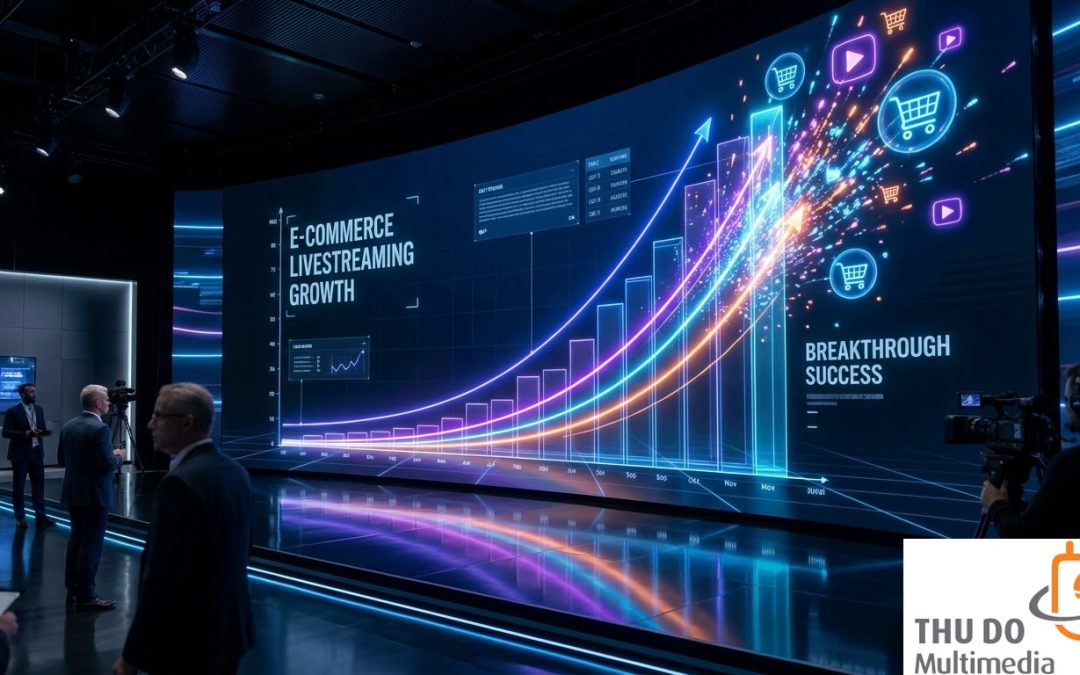
Sự dịch chuyển của hành vi mua sắm tại Việt Nam trong hai năm trở lại đây đã tạo ra một cơn địa chấn thực sự. Chúng ta không còn đơn thuần lên mạng để “tìm kiếm và mua” một cách thụ động. Thay vào đó, kỷ nguyên của “Shoppertainment” – sự giao thoa hoàn hảo giữa mua sắm (shopping) và giải trí (entertainment) – đã chính thức tiếp quản thị trường. Theo các báo cáo phân tích uy tín từ Metric và YouNet ECI, tổng quy mô GMV (Tổng giá trị hàng hóa) của 4 sàn lớn nhất trong năm 2025 dự kiến đạt từ 429.700 đến 458.160 tỷ đồng, đánh dấu mức tăng trưởng ngoạn mục từ 26% đến 34,75% so với năm trước. Trong miếng bánh khổng lồ đó, doanh thu từ các phiên phát sóng trực tiếp không còn là tính năng phụ trợ mà đã trở thành huyết mạch, đóng góp đến 20% tổng doanh thu cho nhiều nền tảng.

Khi nhìn sâu vào các số liệu thống kê livestream trên các sàn TMĐT Việt Nam 2024, chúng tôi nhận thấy một sự thật phũ phàng đối với các nền tảng cũ: Cuộc chơi giờ đây chỉ còn là thế trận “song mã”. Riêng Shopee và TikTok Shop đã thâu tóm tới 97% tổng GMV toàn thị trường. Sức mạnh của livestream đã phá vỡ mọi quy tắc marketing truyền thống. Không cần đến những chiến dịch quảng cáo truyền hình đắt đỏ kéo dài hàng tháng trời, một phiên Mega Livestream kéo dài 12 tiếng giờ đây có thể mang về doanh số bằng cả một năm kinh doanh của một doanh nghiệp tầm trung. Chìa khóa ở đây chính là khả năng tương tác trực tiếp, kích thích thị giác theo thời gian thực và nghệ thuật tạo ra “nỗi sợ bị bỏ lỡ” (FOMO) thông qua các mã giảm giá chớp nhoáng.

Tuy nhiên, ở góc độ một chuyên gia công nghệ, tôi phải nhấn mạnh rằng để gánh vác hàng trăm ngàn lượt truy cập đổ dồn vào một giây (Flash Crowd) trong các phiên livestream ngàn đơn, hệ thống hạ tầng phía sau phải cực kỳ mạnh mẽ. Nếu bạn là một doanh nghiệp nội dung hoặc nhà cung cấp dịch vụ số đang muốn xây dựng hệ thống Media Provider độc lập có sức mạnh tương đương, Giải pháp truyền dẫn phân phối nội dung Media OTT của Thủ Đô Multimedia chính là lời giải. Việc ứng dụng Giải pháp chống nghẽn mạng luồng trực tiếp kết hợp công nghệ Sigma Multi CDN sẽ giúp hệ thống tự động định tuyến luồng video, triệt tiêu hoàn toàn hiện tượng giật lag (buffering), đảm bảo trải nghiệm chốt đơn mượt mà không thua kém gì các sàn TMĐT hàng đầu thế giới.

Nền tảng thương mại điện tử nào tại Việt Nam có tỷ lệ người dùng xem phiên bán hàng trực tiếp (livestream) cao nhất? Thống kê từ top 5 nền tảng thương mại điện tử.

Để trả lời trực diện cho câu hỏi mang tính chiến lược này, chúng ta cần tách bạch rõ ràng giữa “Nền tảng tạo ra nhiều doanh thu nhất” và “Nền tảng được người dùng thích xem livestream nhất”. Khi nhắc đến danh sách top nền tảng livestream bán hàng phổ biến nhất Việt Nam, sự đổi ngôi đã diễn ra một cách ngoạn mục và tàn khốc hơn chúng ta tưởng tượng.

TikTok Shop – Ngôi vương không thể tranh cãi về lượt xem Livestream

Dựa trên báo cáo chuyên sâu của Decision Lab vào Q3/2024, TikTok Shop đã làm được điều không tưởng: Chính thức soán ngôi Facebook để trở thành nền tảng có tỷ lệ người dùng ưu tiên xem livestream cao nhất hiện nay, đạt mức 33% (tăng 6% so với kỳ trước, trong khi Facebook giảm xuống còn 32%). Sức mạnh khủng khiếp này được minh chứng bằng những con số vô tiền khoáng hậu: Chỉ trong nửa đầu tháng 1/2024, nền tảng này ghi nhận kỷ lục 100.000 giờ livestream với 2,9 tỷ lượt xem. Thậm chí, hai buổi phát sóng lớn nhất đã chốt thành công 400.000 đơn hàng.

Bí quyết của TikTok Shop nằm ở việc họ là một mạng xã hội video ngắn có thuật toán phân phối nội dung (content distribution algorithm) xuất chúng nhất thế giới hiện nay. Người dùng mở ứng dụng lên không phải để mua sắm, họ mở lên để giải trí. Thuật toán tinh vi này cuốn người dùng vào một luồng video vô tận, và chèn những phiên livestream bán hàng vào giữa một cách vô cùng mượt mà. Khi cảm xúc được đẩy lên cao độ nhờ âm nhạc, nhịp điệu và sự dẫn dắt của các KOC/KOL, hành vi “mua sắm bốc đồng” được kích hoạt ngay lập tức. Đằng sau những luồng phát liên tục đó, nếu xét về mặt kỹ thuật truyền phát công nghiệp, nó đòi hỏi những cỗ máy đóng gói động như Sigma Package Origin của Thủ Đô Multimedia – giải pháp giúp xử lý, chuyển mã (transcoding) video trực tiếp chuẩn 4K/8K với độ trễ siêu thấp, đảm bảo hình ảnh sản phẩm luôn rực rỡ nhất trên màn hình smartphone của khách hàng.

Shopee Live – Kẻ bám đuổi quyết liệt với quyền lực “chốt đơn” vô song

Dù tụt xuống vị trí á quân về tỷ lệ ưu tiên mở app để xem livestream, Shopee vẫn thể hiện bản lĩnh của một ông lớn khi nắm giữ 57,5% thị phần tổng doanh thu TMĐT (dự phóng 2025). Lượng người xem trên Shopee Live vẫn là một con số khổng lồ. Điển hình như trong siêu chiến dịch 12.12, nền tảng này đã bán sạch 12 triệu sản phẩm chỉ trong 24 phút đầu tiên, ghi nhận 450 triệu lượt xem toàn khu vực.

Sự khác biệt của Shopee Live nằm ở chiến lược “dùng tiền đè bẹp đối thủ” thông qua hệ thống voucher giảm giá tầng tầng lớp lớp. Lượt xem của Shopee Live mang tính thực dụng rất cao. Khách hàng vào xem không phải để tìm niềm vui, họ vào để săn mã Freeship, mã giảm 50% độc quyền. Shopee cũng không tiếc tiền mời những ngôi sao giải trí hàng đầu (Celebs) để níu chân người dùng trong các phiên Mega Live. Mặc dù thời lượng xem trung bình (watch-time) có thể không dài bằng TikTok, nhưng tỷ lệ chuyển đổi (Conversion Rate) trên mỗi lượt xem của Shopee luôn ở mức cực kỳ ấn tượng.

Sự thoái trào cay đắng của Facebook, Lazada và Tiki

Phần còn lại của danh sách Top 5 là một bức tranh đượm buồn về sự đào thải của công nghệ. Facebook – từng là “ông tổ” của trào lưu livestream bán hàng tại Việt Nam những năm 2017-2020 – giờ đây đang dần mất đi vị thế. Dù vẫn giữ được 32% tỷ lệ ưu tiên, nhưng việc thiếu hệ thống thanh toán và quản lý đơn hàng khép kín (End-to-End) khiến trải nghiệm mua sắm bị đứt gãy. Cùng lúc đó, Lazada và Tiki đang trải qua một cuộc khủng hoảng thị phần trầm trọng. Gộp chung cả hai nền tảng này lại hiện chỉ còn chiếm khoảng 3% (theo Metric) đến 6,7% (theo YouNet ECI). Sự hụt hơi trong cuộc đua đốt tiền chạy chiến dịch Livestream đã khiến họ gần như bị loại khỏi tâm trí người tiêu dùng khi phát sinh nhu cầu xem bán hàng trực tiếp.

Phân tích tỷ lệ người dùng xem livestream trên Shopee TikTok Shop Lazada: Vì sao có sự chênh lệch?

Khi bóc tách sâu vào dữ liệu, chúng tôi nhận thấy sự chênh lệch khổng lồ về lượt người xem không phải do ngẫu nhiên, mà nó được cấu thành từ bản chất sinh học của nền tảng và tâm lý học hành vi. Điểm mấu chốt tạo nên khác biệt chính là Ý định người dùng (User Intent). Khi bạn mở Lazada hay Shopee, trong đầu bạn đã có sẵn một từ khóa (ví dụ: “mua sạc dự phòng”, “mua bỉm cho con”). Hành trình này là hành trình “mua sắm có chủ đích”. Người dùng tìm đúng sản phẩm, cho vào giỏ, và sau đó mới ghé qua luồng Live để xin mã giảm giá. Việc này khiến luồng traffic vào xem live bị giới hạn trong tệp những người “đang có nhu cầu thực tế”.

Ngược lại, TikTok Shop phá vỡ hoàn toàn rào cản về “nhu cầu”. Khách hàng lướt TikTok sau một ngày làm việc mệt mỏi chỉ để xem các video hài hước. Bất ngờ, thuật toán đẩy vào màn hình một phiên livestream một người đang ăn thử món mực nướng siêu cay một cách vô cùng ngon miệng. Ngay lập tức, tuyến nước bọt tiết ra, và nhu cầu mua sắm sinh ra từ hư vô. Chính khả năng tạo ra nhu cầu (Demand Generation) ưu việt này đã giúp TikTok Shop thống trị tuyệt đối về thời lượng xem và tỷ lệ người xem mới. Sự lan truyền tự nhiên (Viral organic) này là thứ mà các sàn TMĐT truyền thống không thể sao chép được.

Yếu tố thứ hai giải thích cho sự chênh lệch này là đặc điểm tệp khách hàng và ngành hàng thế mạnh. TikTok là sân chơi của Gen Z – thế hệ có mức độ nhạy cảm về giá cực cao (64% có thu nhập dưới 30 triệu/tháng theo các thống kê thị trường). Họ sẵn sàng dành hàng giờ đồng hồ lướt xem live để tìm kiếm những món đồ “ngon-bổ-rẻ”. Do đó, TikTok Shop đang nắm giữ ngôi vương, chiếm tới 53,1% thị phần trong ngành hàng Thời trang & Phụ kiện. Trong khi đó, Shopee với độ tin cậy được xây dựng lâu năm, tiếp tục làm chủ mảng Hàng tiêu dùng nhanh (FMCG), Mỹ phẩm cao cấp và Điện tử gia dụng – những ngành hàng mà người xem live cần sự bảo chứng uy tín thay vì chỉ cảm xúc nhất thời.

Đánh giá nền tảng thương mại điện tử có lượt xem livestream cao nhất và so sánh hiệu quả livestream các sàn thương mại điện tử tại Việt Nam

Để đánh giá một cách công bằng, chúng ta không thể chỉ nhìn vào lượng view bề nổi. Trong quá trình so sánh hiệu quả livestream các sàn thương mại điện tử tại Việt Nam, tôi luôn khuyến cáo các thương hiệu phải nhìn vào tỷ lệ hoàn vốn (ROI). TikTok Shop sở hữu lượng Traffic tự nhiên khổng lồ, là một “mỏ vàng” để đẩy độ nhận diện thương hiệu. Tuy nhiên, tính chất “mua sắm bốc đồng” lại dẫn đến một hệ lụy đau đầu: Tỷ lệ hoàn hàng (Boom hàng) trên TikTok Shop thường cao hơn đáng kể so với các nền tảng khác. Khi cảm xúc qua đi, khách hàng dễ dàng hủy đơn.

Trái lại, hiệu quả livestream trên Shopee mang tính bền vững hơn. Khách hàng trên Shopee là những người mua sắm trung thành, gắn chặt với hệ thống hạng thẻ (ShopeeVIP) và ví ShopeePay. Tỷ lệ chốt đơn và nhận hàng thành công của Shopee ổn định hơn rất nhiều. Tuy nhiên, rủi ro của người bán trên Shopee là họ bị lệ thuộc quá mức vào các chiến dịch trợ giá của sàn. Ngày nào sàn không “bơm” voucher, ngày đó phiên live vắng bóng người xem.
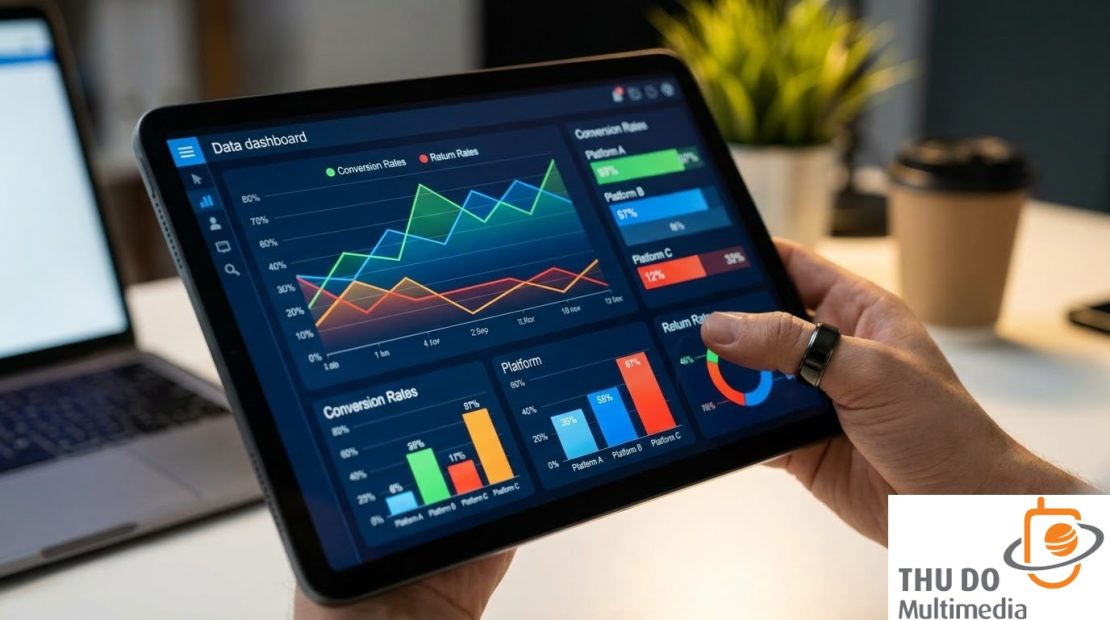
Một bảng điều khiển dữ liệu chuyên nghiệp hiển thị tỷ lệ chuyển đổi và tỷ lệ hoàn hàng giữa các sàn TMĐT

Từ góc độ của các nhà phát triển nội dung số và các đài truyền hình đang muốn bước chân vào thị trường AVOD (Truyền hình quảng cáo miễn phí) lấy cảm hứng từ sự bùng nổ của TMĐT, bài toán dòng tiền luôn là yếu tố sống còn. Để tối ưu hóa doanh thu trên các luồng video, việc ứng dụng Công nghệ chèn quảng cáo động Sigma DAI SSAI của Thủ Đô Multimedia là một bước đi chiến lược. Thay vì để quảng cáo hiện lên cắt ngang trải nghiệm và bị chặn bởi Adblockers, hệ thống Sigma DAI SSAI sẽ “khâu” (stitching) trực tiếp video quảng cáo được cá nhân hóa vào luồng nội dung truyền phát ngay tại máy chủ. Khán giả xem xuyên suốt luồng video mà không bị giật lag, giúp doanh nghiệp đạt tỷ lệ hiển thị quảng cáo (Fill rate) 100%, biến mọi lượt xem thành dòng tiền bền vững.

Lựa chọn nền tảng livestream bán hàng hiệu quả nhất Việt Nam cho doanh nghiệp

Với tất cả những phân tích trên, đâu là bến đỗ an toàn và sinh lời nhất cho doanh nghiệp của bạn? Lời khuyên thực chiến từ tôi là: Đừng bao giờ bỏ tất cả trứng vào một rổ, nhưng hãy phân bổ nguồn lực dựa trên DNA sản phẩm của bạn. Đứng trước sự suy thoái của Lazada và Tiki, bạn chỉ nên dồn toàn lực vào hai gã khổng lồ đang nắm 97% thị phần: Shopee và TikTok Shop.

Nếu sản phẩm của bạn thuộc ngành hàng Thời trang, Làm đẹp, Đồ ăn vặt hoặc những món đồ có tính trực quan cao, dễ dàng giới thiệu bằng video ngắn, hãy chọn TikTok Shop làm mặt trận chủ lực. Hãy đầu tư mạnh vào đội ngũ sáng tạo nội dung, set-up những phòng livestream bắt mắt và duy trì lịch phát sóng đều đặn để “nuôi” thuật toán. Lượng người xem tại đây sẽ giúp bạn bùng nổ doanh số trong thời gian cực ngắn.

Ngược lại, nếu bạn kinh doanh Điện gia dụng, Thiết bị công nghệ, hoặc các sản phẩm Mẹ & Bé cần độ tin tưởng cao, Shopee Live là vùng đất an toàn hơn. Tại đây, hãy tập trung vào việc thiết kế combo sản phẩm thông minh, tận dụng tối đa cổng voucher của sàn và xây dựng quy trình chăm sóc khách hàng chuyên nghiệp. Để quản lý hiệu quả, hãy sử dụng các công cụ quản lý bán hàng đa kênh để đồng bộ hóa tồn kho, tránh tình trạng “vỡ trận” khi có một phiên live bùng nổ.

Mặt khác, nếu bạn là một nhà cung cấp dịch vụ Internet (ISP), cơ quan báo chí hoặc doanh nghiệp quy mô lớn muốn tự chủ hoàn toàn cuộc chơi nội dung mà không phụ thuộc vào sàn TMĐT, việc sở hữu một hạ tầng phân phối số riêng biệt là yếu tố tiên quyết. Khi đó, Hệ sinh thái giải pháp OTT toàn diện Sigma OTT của Thủ Đô Multimedia – một giải pháp “Turnkey” (chìa khóa trao tay) bao trùm từ đóng gói video, bảo mật DRM, định tuyến mạng đến quản trị người dùng – sẽ giúp bạn rút ngắn thời gian triển khai từ 12 tháng xuống chỉ còn vài tuần, tối ưu hóa chi phí vận hành (CAPEX) trong kỷ nguyên số.


Câu hỏi thường gặp

1. Nền tảng thương mại điện tử nào tại Việt Nam có tỷ lệ người dùng xem phiên bán hàng trực tiếp (livestream) cao nhất? Thống kê từ top 5 nền tảng thương mại điện tử.
Dựa trên các báo cáo mới nhất (đặc biệt là dữ liệu quý 3/2024 từ Decision Lab), TikTok Shop hiện là nền tảng dẫn đầu với 33% tỷ lệ người dùng ưu tiên lựa chọn để xem livestream mua sắm. Thành tích này giúp TikTok chính thức vượt qua Facebook (32%) và Shopee, chủ yếu nhờ vào chiến lược “shoppertainment” (mua sắm kết hợp giải trí) và thuật toán phân phối nội dung video ngắn ưu việt. Đứng ở các vị trí tiếp theo là Shopee, Facebook, Lazada và Tiki.

2. Nên chọn livestream bán hàng trên Shopee hay TikTok Shop?
Việc lựa chọn phụ thuộc hoàn toàn vào đặc thù ngành hàng của bạn. Nếu bạn kinh doanh Thời trang, Làm đẹp, sản phẩm trend dễ kích thích nhu cầu thông qua thị giác, TikTok Shop là lựa chọn hoàn hảo nhất để tạo ra mức doanh thu đột biến. Tuy nhiên, nếu bạn bán hàng Điện tử, Tiêu dùng nhanh (FMCG) và đề cao tỷ lệ chuyển đổi bền vững, khách hàng trung thành, Shopee Live sẽ phù hợp hơn rất nhiều.

3. Tỷ lệ chốt đơn (chuyển đổi) khi livestream trên các sàn TMĐT có cao không?
Tỷ lệ chốt đơn trong các phiên livestream thực sự rất cao. Phương thức này không chỉ kích thích nhu cầu mua sắm bằng hiệu ứng thị giác và âm thanh mà còn kết hợp hoàn hảo với nghệ thuật tung mã giảm giá giới hạn (flash sale, voucher độc quyền tung ra ngay trên live), buộc khách hàng ra quyết định mua hàng chỉ trong vài giây. Dẫu vậy, người bán cần lưu ý rằng TikTok Shop thường ghi nhận tỷ lệ hoàn hàng cao hơn đôi chút so với Shopee do yếu tố mua sắm bốc đồng lúc xem live.

4. Các sàn TMĐT nhỏ như Lazada hay Tiki có phù hợp để livestream không?
Thực tế thị trường cho thấy, hiện tại thị phần và lượng người xem livestream trên Lazada và Tiki đã thu hẹp đáng kể (cả hai cộng lại chỉ chiếm khoảng 3% – 6,7% tổng thị phần tùy báo cáo). Việc đầu tư nguồn lực nhân sự, thiết bị và tiền bạc để livestream trên các nền tảng này ở thời điểm hiện tại mang lại hiệu quả tỷ suất hoàn vốn (ROI) thấp hơn rất nhiều. Tốt nhất doanh nghiệp nên dồn lực cho Shopee và TikTok Shop.
Monetizing South Asian OTT through Server-Side Dynamic Ad Insertion 2027

Monetizing South Asian OTT through Server-Side Dynamic Ad Insertion 2027

The South Asian streaming landscape is a pressure cooker. Millions of viewers, diverse languages, and a hunger for premium content—yet, the revenue math remains painfully elusive for many. Why do platforms struggle? The answer often lies in the friction between legacy tech and modern expectations. By 2027, the gap between survival and dominance will be defined by one bridge: server-side dynamic ad insertion for South Asian streaming platforms.

The Evolution of Streaming: SSDAI Technology Trends in OTT 2027

Why Server-Side Dynamic Ad Insertion (SSDAI) is the Gold Standard for OTT

Imagine a viewer watching a high-stakes cricket match. Suddenly, the stream stalls. A loading spinner replaces the action. That’s the “buffering death” of engagement. SSDAI technology trends in OTT 2027 focus on eliminating this. By stitching ads directly into the video manifest at the server level, we treat the advertisement as part of the content itself. No separate players, no clunky client-side calls. It is seamless. It is fluid. Just like savoring the integrity of “Tinh hoa yến đại ngàn”—where the yến đại ngàn sinh thái hữu cơ 100% không tanh nồng provides a premium experience—a seamless ad transition keeps the viewer immersed without the “aftertaste” of intrusive technology.

Overcoming Dynamic Ad Insertion Challenges in Emerging Markets (Latency & Connectivity)

The challenge in South Asia isn’t just content; it’s the infrastructure. Dynamic ad insertion challenges in emerging markets like India or Pakistan involve managing wildly unpredictable bandwidth. How do you deliver a 4K ad over a shaky 4G connection? You don’t try to force it. You use server-side orchestration to transcode and adapt in real-time. It’s about agility. Just as our sợi yến dai giòn tự nhiên chưng 2 tiếng không nát rã maintains its structure despite the heat, a robust SSDAI framework maintains high-quality delivery even when network conditions fluctuate.

Strategies for Revenue Growth in the South Asian Landscape

Optimizing Ad Revenue for OTT Services in South Asia through Localized Data

Blanket advertising is dead. If you are in Mumbai, why see an ad for a product only available in Colombo? Optimizing ad revenue for OTT services in South Asia demands hyper-localization. By leveraging real-time audience data, platforms can swap ads on the fly. This isn’t just about showing an ad; it’s about showing the right ad. It turns a platform into a high-precision conversion engine.

Monetization Strategies for Regional OTT Content: Beyond the Subscription Model

Subscription fatigue is real. The future belongs to hybrid models. Monetization strategies for regional OTT content must pivot to AVOD (Advertising-based Video on Demand) and FAST channels. Think of it as a premium lifestyle choice. Just as one chooses premium nutrition for long-term health, savvy media providers are choosing flexible ad models to maximize their ARPU (Average Revenue Per User) without alienating their core audience.

Technical Implementation & Personalized Experiences

Personalized Ad Delivery via Server-Side Stitching: Improving User Experience

Personalization is the secret sauce. Personalized ad delivery via server-side stitching ensures that the ad block feels like an extension of the narrative. When the transition is invisible, the viewer doesn’t reach for the “Skip” button. They stay. They engage. They convert.

The Future of OTT Advertising Technology in South Asia: Integration and Scalability

The future of OTT advertising technology in South Asia lies in total integration. We aren’t just talking about video; we are talking about ecosystem-wide connectivity. Systems need to talk to each other—from the CMS to the billing engine—without the friction of disparate modules.

The Role of Automation and Programmatic Ecosystems

Programmatic Advertising for OTT Platforms 2027: Shifting to Real-Time Bidding

Real-Time Bidding (RTB) is no longer a luxury; it’s the heartbeat of the market. Programmatic advertising for OTT platforms 2027 means the auction happens in the milliseconds before the video frame hits the screen. It is high-speed commerce, automated to perfection.

Future-Proofing Ad Stacks: Preparing for the 2027 Digital Advertising Paradigm

How do you build for 2027 when the technology changes every quarter? You build for modularity. You build for security. You build for resilience. Whether it is shielding your streams from ad-blockers or ensuring your ad-markers are SCTE-35 compliant, your infrastructure needs to be as resilient as the heritage of the “Tinh hoa yến đại ngàn”—built to last, built to impress.

The race in South Asian OTT isn’t just about who has the best library. It is about who can best monetize that library without breaking the viewer’s trust. The technology is here. The path is clear. Are you ready to capture the market?

Top 3 most popular TV content in Vietnam Revealed

Top 3 most popular TV content in Vietnam Revealed

Key Takeaways:
* National Broadcast Dominance: Traditional linear television, particularly Vietnam Television (VTV), remains a powerhouse, driven by trusted daily news and localized prime-time game shows.
* The Streaming Era: International OTT platforms have captured younger demographics, with limited series and K-dramas topping viewing charts thanks to advanced, high-quality streaming infrastructure.
* Local Pay-TV Loyalty: Cultural resonance keeps audiences subscribed to Pay-TV channels featuring high-production domestic dramas that explore Vietnamese family dynamics and modern society.
* Technological Evolution: The seamless delivery of this diverse content relies on robust, enterprise-grade architectures like those developed by Thủ Đô Multimedia, ensuring ultra-low latency, interactive viewing, and flawless digital distribution.

In our years of analyzing Southeast Asia’s rapidly shifting media landscape, we have consistently noticed one fascinating paradox: while digital disruption has fundamentally changed how we consume media, the core desire for compelling storytelling remains entirely unchanged. If you are a broadcaster, an ISP, or a media strategist looking to capture this dynamic market, understanding the Top 3 most popular TV content in Vietnam is not just an option—it is a critical business imperative. Today, we are pulling back the curtain to reveal exactly what is capturing the attention of millions across the nation, blending historical viewing habits with cutting-edge streaming trends.

A Look at viewer statistics for Vietnamese television

To truly grasp what audiences are watching, we must first examine the foundational data that shapes the industry. Despite the massive influx of smartphones and internet penetration, television maintains an iron grip on the daily routines of the population. Recent extensive surveys indicate that a staggering 8 out of 10 people in Vietnam watch television on a daily basis. This metric alone proves that television remains one of the most powerful and influential mass media channels in the country. We are not just talking about passive background noise; we are looking at dedicated, intentional viewing habits that cross generational divides.

The turning point for the modern viewing experience occurred when Vietnam aggressively pursued its digital transition. By shutting down all remaining analog broadcasts nationwide on December 28, 2020, the government catalyzed a massive leap forward. Today, modern television in Vietnam offers viewers access to over 200 channels across free-to-air, pay-per-view, and localized formats. This digitalization drastically improved picture quality and expanded choices, but it also placed immense pressure on broadcasters. They suddenly needed enterprise-grade digital infrastructures capable of handling high-resolution signals and interactive features without dropping a single frame.

This shifting demographic and technological landscape is precisely where industry leaders like Thủ Đô Multimedia have fundamentally reshaped the market. As audiences pivot toward VOD (Video on Demand) and digital platforms, broadcasters can no longer rely on outdated legacy IT systems. Through Thủ Đô Multimedia’s comprehensive Sigma OTT ecosystem, traditional networks are transitioning into agile, digital-first Media Providers. By implementing their Cloud Media ecosystem, broadcasters can seamlessly encode 4K/8K video, automatically package formats, and distribute them across high-capacity CDN networks, ensuring that whether a user is in a rural province or a bustling metropolis, the viewing experience is flawless.

Content Type 1: National News and popular Vietnamese entertainment programs

When we evaluate the bedrock of Vietnamese media consumption, the sheer gravity of national broadcasts cannot be overstated. According to foundational market data from Statista (September 2018), VTV1 ranked first in viewer reach in Vietnam, followed intimately by VTV3 and VTV2. While the years have passed, our continuous market observations confirm that this hierarchy remains incredibly resilient. VTV1 operates as the undisputed gold standard for reliable daily news, current affairs, and political discourse. For millions of traditional households, tuning into the 7:00 PM national newscast is an unbreakable daily ritual, establishing a level of trust and authority that digital-only platforms struggle to replicate.

Simultaneously, VTV3 captures the lucrative entertainment market by masterfully blending localized formats with high-energy production values. The channel dominates weekend prime-time slots with reality TV, singing competitions, and family-oriented game shows. What makes these programs resonate so deeply is their ability to foster communal viewing. Families gather to watch, discuss, and emotionally invest in the contestants. However, the modern audience now demands more than just a one-way broadcast; they expect to be part of the action.

To address this demand for higher engagement, forward-thinking broadcasters are leveraging advanced technologies like the Sigma Interactive solution from Thủ Đô Multimedia. This tool completely transforms a passive screen into a two-way communication space. By overlaying real-time interaction modules directly onto the live stream—without causing any resolution degradation or network latency—networks can activate Live Voting and Gamification instantly. Imagine a viewer watching a prime-time reality show on VTV3 and voting for their favorite singer directly via their Smart TV remote, with the Sigma Backend server processing millions of inputs and displaying the aggregated results on air in mere milliseconds. This level of retention-driving technology is what keeps national broadcasts fiercely competitive.

must watch Vietnamese TV shows on National Broadcast

The flagship reality shows and prime-time weekend entertainment blocks on VTV3 are absolutely essential viewing for families across the country. Programs that adapt international formats into deeply localized, culturally resonant competitions consistently achieve the highest ratings, proving that national television still commands the cultural conversation.

Content Type 2: trending television shows in Vietnam on Streaming Platforms

While national broadcasts anchor the living room, the explosive growth of OTT platforms has revolutionized personalized viewing habits. The streaming boom has introduced a massive library of international, specifically Asian, limited series directly to the Vietnamese public. As of late August 2026, our analysis of top streaming charts reveals a massive dominance of imported dramas. On platforms like Netflix, the number one spot is fiercely held by the hit limited series “The Early Spring,” closely trailed by the romantic sensation “Our Sticky Love” and the gripping thriller “Mousetrap.”

The genre preferences of Vietnamese netizens are highly specific and remarkably consistent. Audiences show an insatiable appetite for beautifully produced romantic comedies (such as “Can This Love Be Translated?”) and high-stakes, adrenaline-pumping thrillers (like “Blood Sacrifice” and “Agent Kim Reactivated”). These shows perform exceptionally well because they offer high-budget cinematography, complex character arcs, and binge-able pacing. Younger viewers, in particular, prefer the flexibility of VOD, allowing them to consume content on mobile devices during commutes or cast it to their Smart TVs on weekends.

Delivering this premium, 4K HDR content without the dreaded “buffering” wheel requires a monumental technological backbone. This is where Thủ Đô Multimedia’s Turnkey Solution, Sigma OTT, provides a massive competitive advantage for local streaming providers trying to rival global giants. By utilizing the Sigma Package Origin for real-time transcoding and Sigma Multi CDN for intelligent, ultra-low latency routing based on geographic location, platforms ensure that streaming stays perfectly stable even when traffic spikes during a highly anticipated series finale. Furthermore, to protect these expensive international content licenses from piracy, the Sigma Multi DRM seamlessly provides multi-layer, Hollywood-approved encryption, ensuring that stream ripping is entirely neutralized.

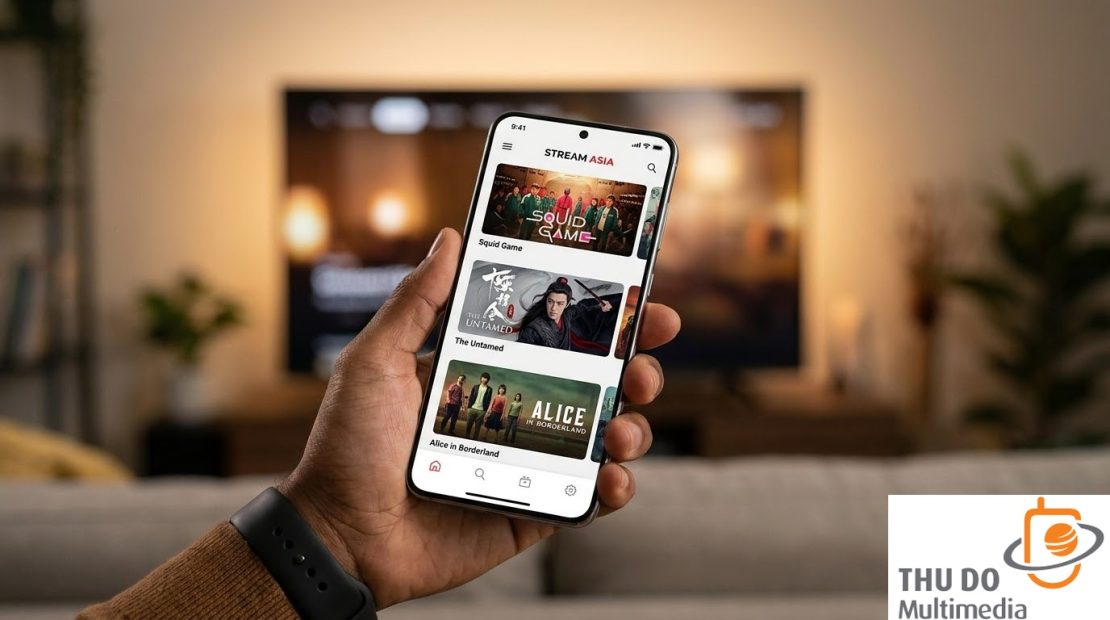
An immersive mobile streaming experience featuring popular Asian dramas and high-quality user interfaces.

Content Type 3: top rated Vietnamese dramas on Local Pay-TV

Do not make the mistake of thinking local content has been entirely eclipsed by international streaming. There is a robust, highly profitable Pay TV ecosystem in Vietnam driven by massive providers like VTVCab, SCTV, and HTVC. These networks have strategically segmented their content into specialized genres to capture dedicated subscriber bases. Channels like SCTV14 (dedicated to Vietnamese movies) and HTVC Thuần Việt (focusing on local culture) are powerhouses of domestic content production. They understand the cultural heartbeat of the nation better than any foreign platform ever could.

These dedicated local channels cater directly to local tastes by producing high-quality, multi-episode dramas that explore intricate family dynamics, historical themes, and the daily struggles of modern Vietnamese society. Viewers see their own lives, dialects, and societal issues reflected on screen. The emotional connection cultivated by these narratives is profound. When a mother-in-law versus daughter-in-law conflict plays out on an ON Phim Việt exclusive, it becomes water-cooler conversation across the country the very next morning.

For Internet Service Providers (ISPs) looking to bundle these lucrative Pay-TV services with their broadband packages, the technical hurdle has always been managing network load without degrading core internet speeds. Thủ Đô Multimedia resolves this through their ISP Media Distribution service. By integrating Edge CDN servers directly into the ISP’s local network, the video load is localized, saving massive international bandwidth costs. Coupled with the Sigma Frontend architecture—which boasts hardware acceleration for 60fps, zero-delay playback, and cross-device resume—ISPs can instantly transform from simple bandwidth pipes into comprehensive, high-ARPU media operators.

most watched TV series in Vietnam 2024 to Present

Bridging the gap between recent historical data and current viewing trends, it is evident that high-production local dramas on channels like SCTV14 and VTVCab keep viewers heavily subscribed to Pay-TV. Despite the allure of free internet videos, the premium storytelling and cultural relevance of these series maintain a fiercely loyal subscriber base year after year.

How to Access the best TV content currently airing in Vietnam

For expatriates, tourists, or media analysts trying to navigate this vibrant ecosystem, accessing this content is easier than ever, provided you know where to look. The complete transition to digital television means that anyone with a DVB-T2 digital receiver can instantly access a wealth of Free-to-Air content, enjoying crystal-clear broadcasts of national channels without a monthly subscription. However, to unlock the full spectrum of the 200+ available channels, diving into the Pay TV ecosystem via cable or digital subscriptions is a necessity.

Beyond the physical set-top boxes, streaming applications have become the ultimate convergence point for media access. Essential apps like VTVGo, ON+, and international giants like Netflix are required installations for catching up on both local masterpieces and international favorites. Furthermore, local press agencies and specialized networks (such as Viettel Media, or niche channels like HGTV for real estate and QPVN for defense) now provide cross-platform viewing, ensuring their tailored content reaches audiences whether they are on a laptop, tablet, or Smart TV.

Managing this massive scale of concurrent users across disparate platforms requires a “Command Center” of unprecedented power. Thủ Đô Multimedia provides this through their Cloud-native Sigma Backend. Designed with a microservices architecture, it automates auto-scaling during traffic spikes, manages complex subscription billing (BSS/OSS), and integrates AI-driven Big Data analytics. This allows Chief Technology Officers and business leaders to monitor ARPU and churn rates in real time, ensuring that the operational side of content delivery is as flawless as the content itself.

A high-tech digital control room monitoring media distribution, user analytics, and live streaming performance.

Conclusion: Analyzing the Top 3 most popular TV content in Vietnam

We have journeyed through the complex, multi-layered landscape of Southeast Asia’s most dynamic media market. While internet video, short-form content, and social media platforms continue to fiercely challenge traditional revenue models, the core demand for high-quality, long-form storytelling remains higher than ever before. Whether it is the unifying power of a VTV3 prime-time broadcast, the binge-worthy allure of a Korean limited series on OTT platforms, or the deep cultural resonance of a local drama on SCTV14, audiences are willing to invest their time and money into premium experiences.

Understanding the Top 3 most popular TV content in Vietnam is only half the battle. The true differentiator for broadcasters and media providers today is the underlying technology that delivers this content. By leveraging comprehensive, Enterprise-grade solutions like those pioneered by Thủ Đô Multimedia—from Sigma Interactive’s two-way engagement to the impenetrable security of Sigma Multi DRM—media companies can protect their assets, delight their viewers, and establish a dominant, highly profitable position in the digital economy.


Frequently Asked Questions

What are the most watched TV channels in Vietnam?
Historically and currently, Vietnam Television (VTV) channels absolutely dominate the market. Based on extensive viewer reach metrics, VTV1 holds the top spot as the authoritative voice for news and current affairs, while VTV3 commands the entertainment sector with unparalleled nationwide reach.

What type of TV content is most popular in Vietnam?
Vietnamese audiences possess a diverse but distinct palate. They highly favor a mix of prime-time local family dramas and domestic game shows broadcasted on VTV3. Simultaneously, there is a massive appetite for international content, particularly Korean romantic comedies and high-stakes thriller series hosted on global streaming platforms.

Are streaming services replacing traditional TV in Vietnam?
While traditional television is undoubtedly facing revenue challenges due to the rapid rise of VOD and Internet platforms, it is far from being replaced. Traditional TV remains a massive cultural force, with surveys indicating that 8 out of 10 people in Vietnam still watch television on a daily basis. The landscape is not about replacement, but rather convergence and multi-screen consumption.

Where can I watch top rated Vietnamese dramas?
The highest-quality domestic dramas are primarily found within specialized local Pay-TV ecosystems. Audiences tune into channels such as SCTV14 (the dedicated Vietnamese Movies Channel), VTVCab’s ON Phim Việt, and HTVC Thuần Việt. Additionally, viewers can access a vast library of this premium local content through highly optimized local OTT streaming applications like VTVGo and ON+.

Trend of purchasing television service packages via banking apps in Vietnam in 2026: The Ultimate Guide

Key Takeaways:
* The Trend of purchasing television service packages via banking apps in Vietnam in 2026 is driven by a massive 91% Connected TV (CTV) penetration rate intersecting with a financial landscape where 95% of banking transactions are now digital.
* Gen Z and Millennials, who comprise 72.5% of online shoppers, are abandoning traditional payment methods in favor of integrated “Super App” ecosystems utilizing e-wallets, QR codes, and Buy Now, Pay Later (BNPL) options.
* For broadcasters and Internet Service Providers (ISPs), capitalizing on this consumer shift requires robust, enterprise-grade backend infrastructure like Thủ Đô Multimedia’s Sigma OTT to ensure seamless API connectivity, instant activation, and uncompromised digital rights management (DRM).

In our experience navigating the rapidly evolving intersection of digital media and financial technology, we have witnessed a monumental shift in how consumers access entertainment. Gone are the days of waiting for a physical technician to activate a cable box or handing over cash to a monthly collector. Today, the Trend of purchasing television service packages via banking apps in Vietnam in 2026 represents a fundamental behavioral shift, transforming smartphones into universal remote controls for both wealth management and digital lifestyle consumption. As the digital economy matures, understanding the underlying mechanisms of this seamless transaction process is crucial for consumers seeking convenience, and mandatory for media providers aiming to survive.

The Intersection of Fintech and Media: The Trend of purchasing television service packages via banking apps in Vietnam in 2026

To truly grasp the magnitude of digital banking television subscription trends Vietnam 2026, we must first contextualize the explosive growth of the nation’s digital economy. By 2025, Vietnam’s digital economy Gross Merchandise Value (GMV) reached a staggering $39 billion. Within this massive ecosystem, online media carved out an impressive $6 billion share. This sheer volume of capital flowing through digital channels sets the perfect stage for highly integrated payment solutions. We are no longer looking at isolated industries; fintech and digital media have fused into a singular, cohesive ecosystem where frictionless transactions are the baseline expectation of the modern consumer.

At the heart of this transformation is the deeply connected Vietnamese consumer. Demographically, the nation in 2026 boasts over 102 million people with a vibrant median age of 33.9. Coupled with an 84.4% smartphone penetration rate across 85.6 million internet users, the audience is natively primed for digital-first behaviors. This isn’t just about having access to technology; it is about a lifestyle where the smartphone operates as the central command hub for daily life. When a young professional decides they want to watch a weekend Premier League match, they do not turn to a web browser; they turn to the trusted applications already residing on their mobile home screen.

The catalyst accelerating this merger is the unprecedented boom in Connected TV (CTV). In our deep industry analyses, we noted that CTV penetration in Vietnam has hit an astonishing 91%. Simultaneously, nearly 95% of all banking transactions are now processed digitally. The inevitable outcome of these two statistics is a user base that demands seamless customer journeys. We see this reflected in dynamic bank satisfaction rankings—where institutions like HSBC have rapidly climbed the charts by offering simple, safe, and frictionless digital lifestyle purchases. Users want to see a premium movie trailer on their Smart TV, open their banking app, and unlock the channel in seconds.

Decoding the Consumer Adoption of TV Service Purchasing in Vietnam Banking Apps

The mechanics behind buying TV service packages through banking apps Vietnam reveal a fascinating narrative of shifting purchasing habits. Historically, subscribing to a television service involved a high friction journey: purchasing physical scratch cards, navigating clunky telecom portals, or dealing with door-to-door cash collections. Today, digital-first behaviors dominate both product discovery and conversion. Consumers demand immediacy. The physical boundaries of commerce have dissolved, replaced by a mandate for instant gratification where a media subscription is treated with the same transactional ease as ordering a cup of coffee.

This behavioral pivot is heavily supported by the absolute dominance of E-Wallets and QR code technology. In the current landscape, QR codes account for 54.9% of the mobile payment market size. Furthermore, the e-wallet sector is spearheaded by giants like MoMo, holding a commanding 56% market share, followed closely by ZaloPay at 23%. These platforms have meticulously trained consumers over the years to manage recurring bills—electricity, water, and internet—natively within their apps. Transitioning this learned behavior toward consumer adoption of TV service purchasing in Vietnam banking apps was an organic, frictionless next step, requiring almost zero consumer education.

We must also acknowledge the demographic engine driving this trend: Gen Z and Millennials. Currently comprising 72.5% of online shoppers, these cohorts dictate market trajectories. Their expectations for digital services are uncompromising. They do not tolerate latency, whether it is in video buffering or payment processing. When they want access to an exclusive 8K live streaming event, they expect the transaction to clear instantly directly from their mobile banking interface. It is this exact demographic pressure that forces broadcasters and ISPs to abandon legacy billing systems and integrate directly into modern fintech ecosystems.

Key Benefits: The Convenience of Paying for Cable TV via Mobile Banking Vietnam

The rise of the “Super App” model is central to understanding the convenience of paying for cable TV via mobile banking Vietnam. Modern banking and wallet applications are no longer mere ledgers of debits and credits; they are comprehensive lifestyle aggregators. Users deeply appreciate the consolidation of their digital lives. Instead of juggling multiple accounts, passwords, and credit card inputs across various external telecom websites, everything is centralized within the highly secure, familiar ecosystem of their primary financial institution. This centralization dramatically reduces cart abandonment rates for media providers.

Financially, this integrated model is incredibly attractive to the end-user. Digital payments inherently lower operational transaction costs, savings which are frequently passed down to the consumer. Banks and media providers frequently collaborate to offer exclusive cashback programs, loyalty points, or immediate discounts for in-app purchases. Moreover, the integration of Buy Now, Pay Later (BNPL)—a service now utilized by 49% of Vietnamese consumers in a $2.61 billion market—allows users to easily finance premium, annual television packages without feeling the immediate burden of a lump-sum payment.

However, providing this instant activation requires immense technical prowess behind the scenes. When a user authorizes a payment via mandatory biometric authentication, the banking API must communicate instantly with the media provider’s Headend system. This is where industry-leading infrastructure, such as the solutions provided by Thủ Đô Multimedia, becomes indispensable. By leveraging their End-to-End Sigma OTT platform, broadcasters and ISPs can utilize the Sigma Backend (CMS/BSS) to establish flawless API connectivity with banking networks. This ensures that the moment a payment clears, the television package is activated in milliseconds. Furthermore, the proprietary Sigma Multi DRM technology guarantees that this newly purchased, premium content remains cryptographically secure against stream ripping, protecting the digital assets of the media provider while delivering a flawless user experience.

Leading the Charge: Integrated Banking App Utilities for Media Services 2026

The race to offer the best banking app lifestyle features Vietnam television subscription has ignited fierce competition between traditional financial institutions and agile neobanks. Traditional banks, tracking dynamic customer satisfaction benchmarks, are aggressively updating their legacy systems to remain relevant. Conversely, digital-native neobanks like TNEX (boasting over 2.4 million customers) and Timo are building their entire value proposition around lifestyle integration. They view media subscriptions not as a peripheral feature, but as a core utility that drives daily app engagement and boosts the average revenue per user (ARPU).

A pivotal player in this ecosystem is the Zalo mega-ecosystem. With an astonishing 86.6% penetration rate among the Vietnamese populace, Zalo’s integration with ZaloPay creates an unparalleled distribution channel. Media providers are leveraging Zalo’s mini-programs and chat interfaces to market and sell TV packages directly to users where they spend the majority of their screen time. The friction from seeing an advertisement for a new blockbuster movie to purchasing the required VOD package has been reduced to a mere couple of taps within a chat window, representing the pinnacle of integrated banking app utilities for media services 2026.

To maximize these conversion rates, AI-driven personalization has become the industry standard. With 78% of the online population adopting AI technologies in various forms, banks are utilizing sophisticated machine learning algorithms to analyze user spending habits. If the system detects recurring payments for gaming or high-speed internet, the dashboard will dynamically recommend premium e-sports or 4K movie TV packages. To deliver this content flawlessly across multi-platforms, media providers rely on technologies like Sigma Package Origin and Sigma Multi CDN from Thủ Đô Multimedia. These systems dynamically package the content and route it through edge computing networks, ensuring ultra-low latency playback that matches the premium nature of the personalized banking offer.

Looking Ahead: The Future of Digital Payment Services for Television in Vietnam

As we project the future of digital payment services for television in Vietnam, cross-border media purchasing emerges as the next frontier. Vietnam’s expanding regional payment connectivity—exemplified by the NAPAS expansion into Thailand, Singapore, and beyond—hints at a near future where consumers can seamlessly subscribe to regional international TV packages directly from their local banking apps. The geographical barriers of digital rights and currency conversion will be managed invisibly by the backend, allowing users to consume global content with local transactional ease.

Furthermore, the BNPL market’s aggressive 36.5% year-on-year growth trajectory signifies that “Subscribe Now, Pay Later” will become the default standard for media consumption. Media providers will increasingly shift away from precarious month-to-month subscription models, leveraging fintech partnerships to lock in 12-month annual contracts via BNPL. This provides broadcasters with predictable, stabilized revenue streams while offering consumers an affordable, compartmentalized payment structure for premium, high-resolution entertainment.

For B2B stakeholders—from national broadcasters to local ISPs—the actionable advice is unambiguous: isolation is obsolescence. To capitalize on the Trend of purchasing television service packages via banking apps in Vietnam in 2026, organizations must urgently upgrade their core media processing architectures. Partnering with a specialized Media Provider like Thủ Đô Multimedia allows businesses to deploy an enterprise-grade, Cloud-native streaming infrastructure that natively speaks the language of modern fintech APIs. By embracing these integrated digital ecosystems, media companies can turn high-quality digital content into highly liquid, easily monetizable assets, securing their competitive advantage in a mobile-first digital economy.


Câu hỏi thường gặp (Frequently Asked Questions)

What is the best banking app for buying TV service packages in Vietnam?
Based on current market dominance and utility, top e-wallets like MoMo (56% market share) and ZaloPay (23%) lead the pack due to their deep integrations with national broadcasters and ISPs. Among digital banks, neobanks like TNEX and Timo are highly recommended, as their platforms are specifically engineered for lifestyle integrations, offering seamless, instant API connections to major television providers.

Are there extra fees when purchasing television services via digital banking?
In our experience, there are generally no extra fees imposed on the consumer. In fact, purchasing through these digital avenues is often much cheaper. Because digital processing lowers operational costs, banks and e-wallets frequently offer app-exclusive promotions, cashbacks, and loyalty points that you cannot get through traditional telecom portals or physical scratch cards.

Can I use Buy Now Pay Later (BNPL) to pay for an annual TV subscription in Vietnam?
Absolutely. The surge in BNPL adoption—now used by 49% of Vietnamese consumers in a rapidly growing $2.61 billion market—has revolutionized media subscriptions. Banking apps now allow users to purchase premium, 12-month 4K/8K television packages and effortlessly split the cost into smaller, interest-free monthly installments.

How secure is paying for cable TV via mobile banking in Vietnam?
It is exponentially more secure than traditional cash collections or entering credit card details on random websites. With 95% of banking transactions now digital, Vietnamese banking apps employ advanced biometric security (fingerprint, facial recognition) and instant, encrypted APIs. Furthermore, when the media provider utilizes enterprise-grade backend systems like those from Thủ Đô Multimedia, your account details and digital rights are protected by multi-layered encryption protocols.

Enterprise-grade DRM and Content Security for South Asian OTT Providers 2027

Enterprise-grade DRM and Content Security for South Asian OTT Providers 2027

The digital horizon across South Asia is shifting. Fast. By 2027, the regional streaming landscape will no longer be a playground for experimental content; it will be a multi-billion dollar battlefield. But here is the cold reality: as revenue climbs, so does the sophistication of the digital pirates lurking in the shadows. Is your architecture ready for the storm?

The Evolving Threat Landscape for South Asian Streaming (2027 Perspective)

Rise of sophisticated piracy: Moving beyond credential sharing

The old-school “password-sharing” headache is now a minor concern compared to the threat of Widevine L3 leaks and replay attacks. These hackers are hungry. They target the very heart of the stream. They exploit the gaps between the player and the secure environment. If you aren’t evolving, you’re losing.

Regional infrastructure challenges: Balancing security with low-latency delivery

Streaming in South Asia means navigating a complex mesh of networks. Delivering 4K content to a budget-tier smartphone in a remote village while maintaining military-grade encryption is an engineering nightmare. How do we keep the latency under 200ms without sacrificing security? It requires a delicate, almost artistic balance. Think of it like crafting the perfect bowl of bird’s nest soup. Just as the Yến đại ngàn sinh thái hữu cơ 100% không tanh nồng requires precise, clean sourcing to ensure purity, your media pipeline needs a pristine architecture that doesn’t choke under the weight of heavy encryption.

Building a Resilient Architecture: Secure Video Delivery for South Asian Media

Implementing secure video delivery architecture for South Asian media

Scalability is the name of the game. When the match starts, your system needs to breathe. It needs to auto-scale, distributing load across multiple edge nodes instantly. This isn’t just about technical capacity; it’s about user trust.

Transitioning to multi-DRM solutions for South Asian streaming platforms

Complexity is the enemy of security. Yet, we must embrace multi-DRM solutions for South Asian streaming platforms to bridge the gap between fragmented devices. Whether it’s Widevine, PlayReady, or FairPlay, your system must handle them as one seamless entity using CENC. It’s about creating an experience that is as enduring as the sợi yến dai giòn tự nhiên chưng 2 tiếng không nát rã—robust, consistent, and satisfying even under the most intense conditions. This is the Tinh hoa yến đại ngàn of content protection.

Advanced Content Protection Strategies for OTT Providers 2027

Deploying enterprise-grade forensic watermarking for OTT

You need a silent watcher. By integrating enterprise-grade forensic watermarking for OTT, you embed unique, invisible identifiers into every frame of the stream. If a leak occurs, you don’t just know that it happened; you know exactly where the breach started. It’s the ultimate accountability tool.

Dynamic tokenization and session-based security models

Stagnant security is dead security. You must move toward dynamic tokenization, where session keys rotate in milliseconds. If a pirate manages to grab a key, it’s already obsolete by the time they try to use it.

Market-Specific Challenges: Anti-Piracy in Emerging Markets

Leveraging anti-piracy and digital rights management for emerging markets

We need solutions that work even when the connection is spotty. Anti-piracy and digital rights management for emerging markets must be lightweight on the client-side but heavy on the server-side logic.

Addressing the “offline viewing” security gap

Offline downloads are a goldmine for pirates. If you allow offline playback, you must ensure that the encrypted file remains tied to a device-bound license that refuses to leave the secure zone.

Compliance and Regulatory Landscape

Navigating compliance and regulatory standards for content security in Asia

Local data sovereignty laws are tightening. Compliance and regulatory standards for content security in Asia are no longer suggestions; they are the baseline for market entry.

Data privacy alignment: Ensuring GDPR/local privacy law compatibility

Privacy is the new currency. Your backend must treat user data as if it were your own. Anonymization, strict access controls, and transparent reporting are the pillars of long-term compliance.

Scaling for the Future: Best Practices for 2027

Best practices for scalable DRM infrastructure for 2027

The future belongs to the agile. Hybrid models—where cloud-native processing meets localized, high-speed edge delivery—will win the day. Avoid vendor lock-in. Build an ecosystem that integrates seamlessly rather than a monolith that crumbles under its own weight.

AI-driven threat detection: The next frontier in content security

The final piece? Artificial Intelligence. By deploying AI to monitor the “health” of your stream and detect anomalies in real-time, you turn your defense from a wall into a living organism.

As we look toward 2027, remember: in the world of high-stakes media, your reputation is your most valuable asset. Protect it with the same care you would apply to the finest harvest—because at the end of the day, delivering excellence is what defines the leader. That is the true Tinh hoa yến đại ngàn of digital media.