Monetizing South Asian OTT through Server-Side Dynamic Ad Insertion 2027

Monetizing South Asian OTT through Server-Side Dynamic Ad Insertion 2027

The South Asian streaming landscape is a pressure cooker. Millions of viewers, diverse languages, and a hunger for premium content—yet, the revenue math remains painfully elusive for many. Why do platforms struggle? The answer often lies in the friction between legacy tech and modern expectations. By 2027, the gap between survival and dominance will be defined by one bridge: server-side dynamic ad insertion for South Asian streaming platforms.

The Evolution of Streaming: SSDAI Technology Trends in OTT 2027

Why Server-Side Dynamic Ad Insertion (SSDAI) is the Gold Standard for OTT

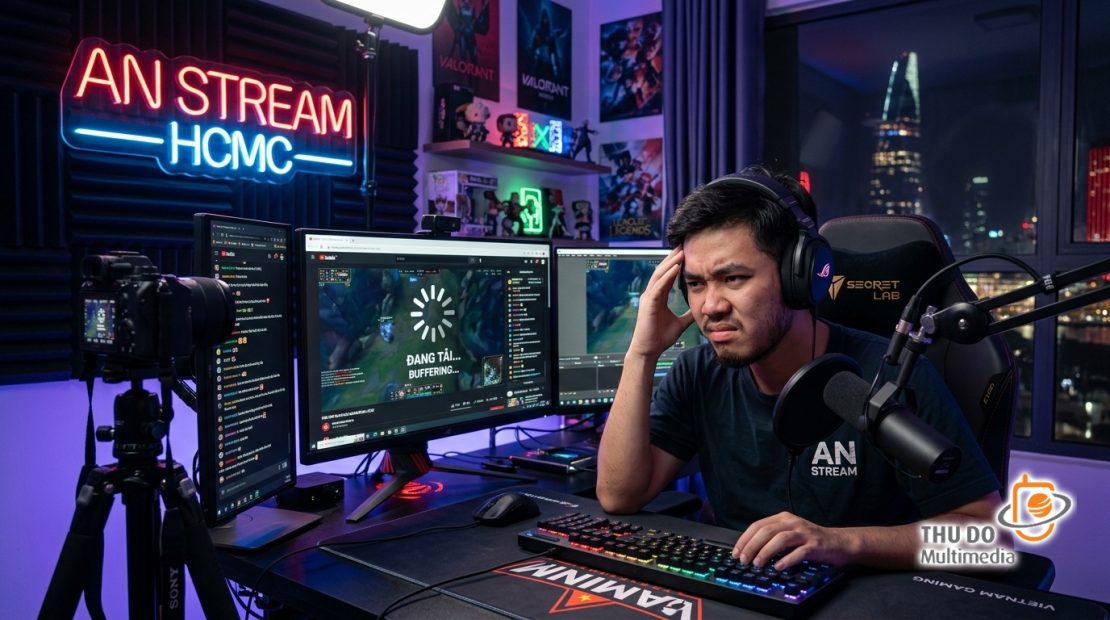
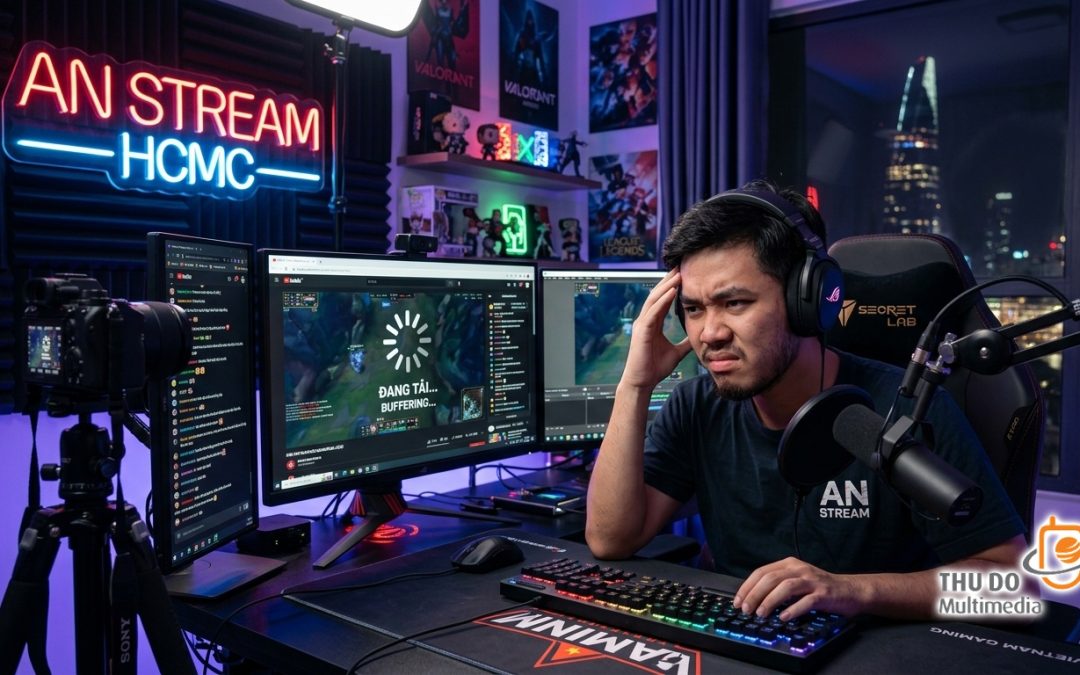
Imagine a viewer watching a high-stakes cricket match. Suddenly, the stream stalls. A loading spinner replaces the action. That’s the “buffering death” of engagement. SSDAI technology trends in OTT 2027 focus on eliminating this. By stitching ads directly into the video manifest at the server level, we treat the advertisement as part of the content itself. No separate players, no clunky client-side calls. It is seamless. It is fluid. Just like savoring the integrity of “Tinh hoa yến đại ngàn”—where the yến đại ngàn sinh thái hữu cơ 100% không tanh nồng provides a premium experience—a seamless ad transition keeps the viewer immersed without the “aftertaste” of intrusive technology.

Overcoming Dynamic Ad Insertion Challenges in Emerging Markets (Latency & Connectivity)

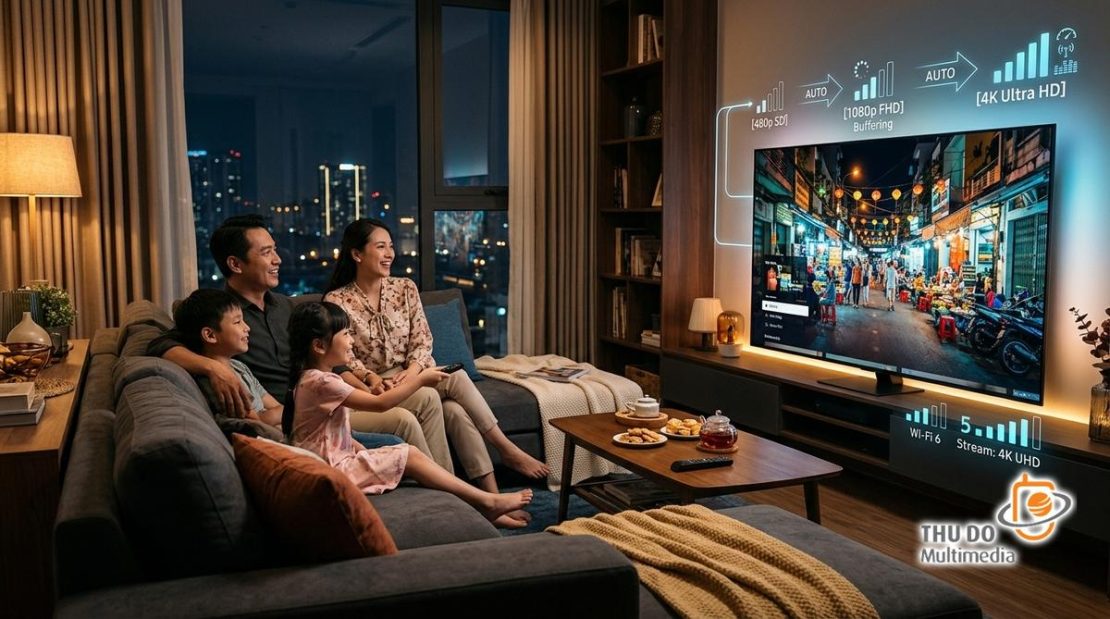
The challenge in South Asia isn’t just content; it’s the infrastructure. Dynamic ad insertion challenges in emerging markets like India or Pakistan involve managing wildly unpredictable bandwidth. How do you deliver a 4K ad over a shaky 4G connection? You don’t try to force it. You use server-side orchestration to transcode and adapt in real-time. It’s about agility. Just as our sợi yến dai giòn tự nhiên chưng 2 tiếng không nát rã maintains its structure despite the heat, a robust SSDAI framework maintains high-quality delivery even when network conditions fluctuate.

Strategies for Revenue Growth in the South Asian Landscape

Optimizing Ad Revenue for OTT Services in South Asia through Localized Data

Blanket advertising is dead. If you are in Mumbai, why see an ad for a product only available in Colombo? Optimizing ad revenue for OTT services in South Asia demands hyper-localization. By leveraging real-time audience data, platforms can swap ads on the fly. This isn’t just about showing an ad; it’s about showing the right ad. It turns a platform into a high-precision conversion engine.

Monetization Strategies for Regional OTT Content: Beyond the Subscription Model

Subscription fatigue is real. The future belongs to hybrid models. Monetization strategies for regional OTT content must pivot to AVOD (Advertising-based Video on Demand) and FAST channels. Think of it as a premium lifestyle choice. Just as one chooses premium nutrition for long-term health, savvy media providers are choosing flexible ad models to maximize their ARPU (Average Revenue Per User) without alienating their core audience.

Technical Implementation & Personalized Experiences

Personalized Ad Delivery via Server-Side Stitching: Improving User Experience

Personalization is the secret sauce. Personalized ad delivery via server-side stitching ensures that the ad block feels like an extension of the narrative. When the transition is invisible, the viewer doesn’t reach for the “Skip” button. They stay. They engage. They convert.

The Future of OTT Advertising Technology in South Asia: Integration and Scalability

The future of OTT advertising technology in South Asia lies in total integration. We aren’t just talking about video; we are talking about ecosystem-wide connectivity. Systems need to talk to each other—from the CMS to the billing engine—without the friction of disparate modules.

The Role of Automation and Programmatic Ecosystems

Programmatic Advertising for OTT Platforms 2027: Shifting to Real-Time Bidding

Real-Time Bidding (RTB) is no longer a luxury; it’s the heartbeat of the market. Programmatic advertising for OTT platforms 2027 means the auction happens in the milliseconds before the video frame hits the screen. It is high-speed commerce, automated to perfection.

Future-Proofing Ad Stacks: Preparing for the 2027 Digital Advertising Paradigm

How do you build for 2027 when the technology changes every quarter? You build for modularity. You build for security. You build for resilience. Whether it is shielding your streams from ad-blockers or ensuring your ad-markers are SCTE-35 compliant, your infrastructure needs to be as resilient as the heritage of the “Tinh hoa yến đại ngàn”—built to last, built to impress.

The race in South Asian OTT isn’t just about who has the best library. It is about who can best monetize that library without breaking the viewer’s trust. The technology is here. The path is clear. Are you ready to capture the market?

Top 3 most popular TV content in Vietnam Revealed

Top 3 most popular TV content in Vietnam Revealed

Key Takeaways:
* National Broadcast Dominance: Traditional linear television, particularly Vietnam Television (VTV), remains a powerhouse, driven by trusted daily news and localized prime-time game shows.
* The Streaming Era: International OTT platforms have captured younger demographics, with limited series and K-dramas topping viewing charts thanks to advanced, high-quality streaming infrastructure.
* Local Pay-TV Loyalty: Cultural resonance keeps audiences subscribed to Pay-TV channels featuring high-production domestic dramas that explore Vietnamese family dynamics and modern society.
* Technological Evolution: The seamless delivery of this diverse content relies on robust, enterprise-grade architectures like those developed by Thủ Đô Multimedia, ensuring ultra-low latency, interactive viewing, and flawless digital distribution.

In our years of analyzing Southeast Asia’s rapidly shifting media landscape, we have consistently noticed one fascinating paradox: while digital disruption has fundamentally changed how we consume media, the core desire for compelling storytelling remains entirely unchanged. If you are a broadcaster, an ISP, or a media strategist looking to capture this dynamic market, understanding the Top 3 most popular TV content in Vietnam is not just an option—it is a critical business imperative. Today, we are pulling back the curtain to reveal exactly what is capturing the attention of millions across the nation, blending historical viewing habits with cutting-edge streaming trends.

A Look at viewer statistics for Vietnamese television

To truly grasp what audiences are watching, we must first examine the foundational data that shapes the industry. Despite the massive influx of smartphones and internet penetration, television maintains an iron grip on the daily routines of the population. Recent extensive surveys indicate that a staggering 8 out of 10 people in Vietnam watch television on a daily basis. This metric alone proves that television remains one of the most powerful and influential mass media channels in the country. We are not just talking about passive background noise; we are looking at dedicated, intentional viewing habits that cross generational divides.

The turning point for the modern viewing experience occurred when Vietnam aggressively pursued its digital transition. By shutting down all remaining analog broadcasts nationwide on December 28, 2020, the government catalyzed a massive leap forward. Today, modern television in Vietnam offers viewers access to over 200 channels across free-to-air, pay-per-view, and localized formats. This digitalization drastically improved picture quality and expanded choices, but it also placed immense pressure on broadcasters. They suddenly needed enterprise-grade digital infrastructures capable of handling high-resolution signals and interactive features without dropping a single frame.

This shifting demographic and technological landscape is precisely where industry leaders like Thủ Đô Multimedia have fundamentally reshaped the market. As audiences pivot toward VOD (Video on Demand) and digital platforms, broadcasters can no longer rely on outdated legacy IT systems. Through Thủ Đô Multimedia’s comprehensive Sigma OTT ecosystem, traditional networks are transitioning into agile, digital-first Media Providers. By implementing their Cloud Media ecosystem, broadcasters can seamlessly encode 4K/8K video, automatically package formats, and distribute them across high-capacity CDN networks, ensuring that whether a user is in a rural province or a bustling metropolis, the viewing experience is flawless.

Content Type 1: National News and popular Vietnamese entertainment programs

When we evaluate the bedrock of Vietnamese media consumption, the sheer gravity of national broadcasts cannot be overstated. According to foundational market data from Statista (September 2018), VTV1 ranked first in viewer reach in Vietnam, followed intimately by VTV3 and VTV2. While the years have passed, our continuous market observations confirm that this hierarchy remains incredibly resilient. VTV1 operates as the undisputed gold standard for reliable daily news, current affairs, and political discourse. For millions of traditional households, tuning into the 7:00 PM national newscast is an unbreakable daily ritual, establishing a level of trust and authority that digital-only platforms struggle to replicate.

Simultaneously, VTV3 captures the lucrative entertainment market by masterfully blending localized formats with high-energy production values. The channel dominates weekend prime-time slots with reality TV, singing competitions, and family-oriented game shows. What makes these programs resonate so deeply is their ability to foster communal viewing. Families gather to watch, discuss, and emotionally invest in the contestants. However, the modern audience now demands more than just a one-way broadcast; they expect to be part of the action.

To address this demand for higher engagement, forward-thinking broadcasters are leveraging advanced technologies like the Sigma Interactive solution from Thủ Đô Multimedia. This tool completely transforms a passive screen into a two-way communication space. By overlaying real-time interaction modules directly onto the live stream—without causing any resolution degradation or network latency—networks can activate Live Voting and Gamification instantly. Imagine a viewer watching a prime-time reality show on VTV3 and voting for their favorite singer directly via their Smart TV remote, with the Sigma Backend server processing millions of inputs and displaying the aggregated results on air in mere milliseconds. This level of retention-driving technology is what keeps national broadcasts fiercely competitive.

must watch Vietnamese TV shows on National Broadcast

The flagship reality shows and prime-time weekend entertainment blocks on VTV3 are absolutely essential viewing for families across the country. Programs that adapt international formats into deeply localized, culturally resonant competitions consistently achieve the highest ratings, proving that national television still commands the cultural conversation.

Content Type 2: trending television shows in Vietnam on Streaming Platforms

While national broadcasts anchor the living room, the explosive growth of OTT platforms has revolutionized personalized viewing habits. The streaming boom has introduced a massive library of international, specifically Asian, limited series directly to the Vietnamese public. As of late August 2026, our analysis of top streaming charts reveals a massive dominance of imported dramas. On platforms like Netflix, the number one spot is fiercely held by the hit limited series “The Early Spring,” closely trailed by the romantic sensation “Our Sticky Love” and the gripping thriller “Mousetrap.”

The genre preferences of Vietnamese netizens are highly specific and remarkably consistent. Audiences show an insatiable appetite for beautifully produced romantic comedies (such as “Can This Love Be Translated?”) and high-stakes, adrenaline-pumping thrillers (like “Blood Sacrifice” and “Agent Kim Reactivated”). These shows perform exceptionally well because they offer high-budget cinematography, complex character arcs, and binge-able pacing. Younger viewers, in particular, prefer the flexibility of VOD, allowing them to consume content on mobile devices during commutes or cast it to their Smart TVs on weekends.

Delivering this premium, 4K HDR content without the dreaded “buffering” wheel requires a monumental technological backbone. This is where Thủ Đô Multimedia’s Turnkey Solution, Sigma OTT, provides a massive competitive advantage for local streaming providers trying to rival global giants. By utilizing the Sigma Package Origin for real-time transcoding and Sigma Multi CDN for intelligent, ultra-low latency routing based on geographic location, platforms ensure that streaming stays perfectly stable even when traffic spikes during a highly anticipated series finale. Furthermore, to protect these expensive international content licenses from piracy, the Sigma Multi DRM seamlessly provides multi-layer, Hollywood-approved encryption, ensuring that stream ripping is entirely neutralized.

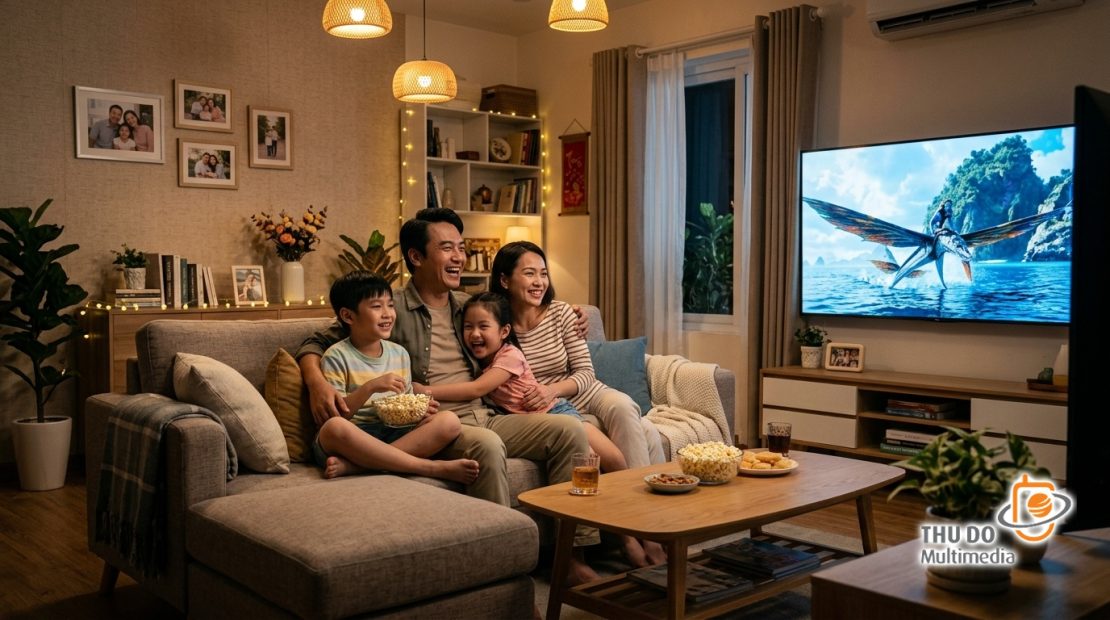
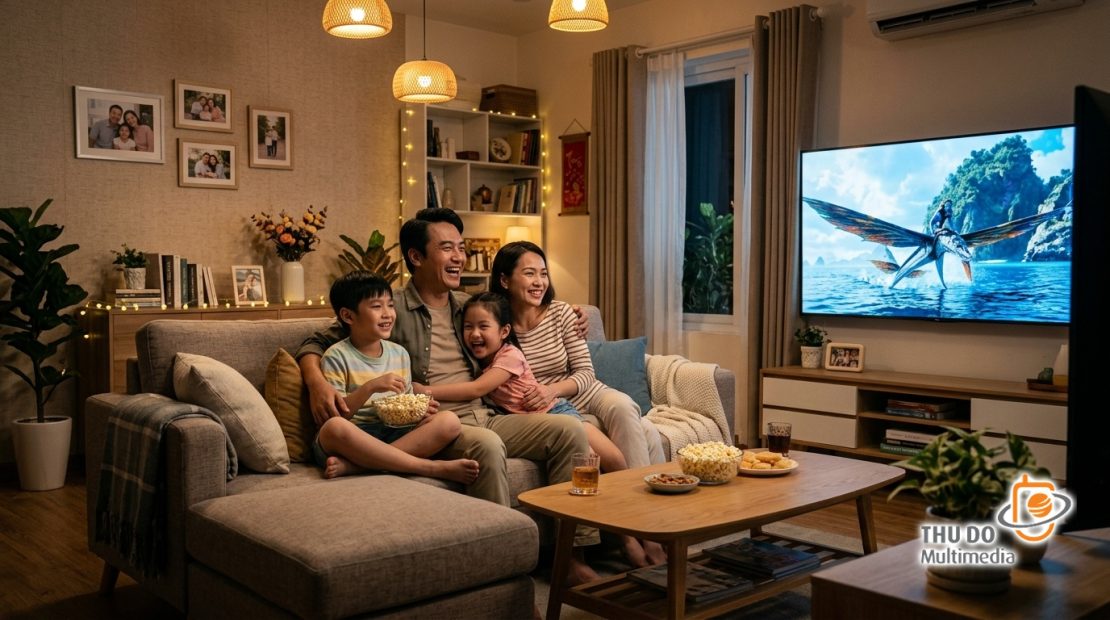
An immersive mobile streaming experience featuring popular Asian dramas and high-quality user interfaces.

Content Type 3: top rated Vietnamese dramas on Local Pay-TV

Do not make the mistake of thinking local content has been entirely eclipsed by international streaming. There is a robust, highly profitable Pay TV ecosystem in Vietnam driven by massive providers like VTVCab, SCTV, and HTVC. These networks have strategically segmented their content into specialized genres to capture dedicated subscriber bases. Channels like SCTV14 (dedicated to Vietnamese movies) and HTVC Thuần Việt (focusing on local culture) are powerhouses of domestic content production. They understand the cultural heartbeat of the nation better than any foreign platform ever could.

These dedicated local channels cater directly to local tastes by producing high-quality, multi-episode dramas that explore intricate family dynamics, historical themes, and the daily struggles of modern Vietnamese society. Viewers see their own lives, dialects, and societal issues reflected on screen. The emotional connection cultivated by these narratives is profound. When a mother-in-law versus daughter-in-law conflict plays out on an ON Phim Việt exclusive, it becomes water-cooler conversation across the country the very next morning.

For Internet Service Providers (ISPs) looking to bundle these lucrative Pay-TV services with their broadband packages, the technical hurdle has always been managing network load without degrading core internet speeds. Thủ Đô Multimedia resolves this through their ISP Media Distribution service. By integrating Edge CDN servers directly into the ISP’s local network, the video load is localized, saving massive international bandwidth costs. Coupled with the Sigma Frontend architecture—which boasts hardware acceleration for 60fps, zero-delay playback, and cross-device resume—ISPs can instantly transform from simple bandwidth pipes into comprehensive, high-ARPU media operators.

most watched TV series in Vietnam 2024 to Present

Bridging the gap between recent historical data and current viewing trends, it is evident that high-production local dramas on channels like SCTV14 and VTVCab keep viewers heavily subscribed to Pay-TV. Despite the allure of free internet videos, the premium storytelling and cultural relevance of these series maintain a fiercely loyal subscriber base year after year.

How to Access the best TV content currently airing in Vietnam

For expatriates, tourists, or media analysts trying to navigate this vibrant ecosystem, accessing this content is easier than ever, provided you know where to look. The complete transition to digital television means that anyone with a DVB-T2 digital receiver can instantly access a wealth of Free-to-Air content, enjoying crystal-clear broadcasts of national channels without a monthly subscription. However, to unlock the full spectrum of the 200+ available channels, diving into the Pay TV ecosystem via cable or digital subscriptions is a necessity.

Beyond the physical set-top boxes, streaming applications have become the ultimate convergence point for media access. Essential apps like VTVGo, ON+, and international giants like Netflix are required installations for catching up on both local masterpieces and international favorites. Furthermore, local press agencies and specialized networks (such as Viettel Media, or niche channels like HGTV for real estate and QPVN for defense) now provide cross-platform viewing, ensuring their tailored content reaches audiences whether they are on a laptop, tablet, or Smart TV.

Managing this massive scale of concurrent users across disparate platforms requires a “Command Center” of unprecedented power. Thủ Đô Multimedia provides this through their Cloud-native Sigma Backend. Designed with a microservices architecture, it automates auto-scaling during traffic spikes, manages complex subscription billing (BSS/OSS), and integrates AI-driven Big Data analytics. This allows Chief Technology Officers and business leaders to monitor ARPU and churn rates in real time, ensuring that the operational side of content delivery is as flawless as the content itself.

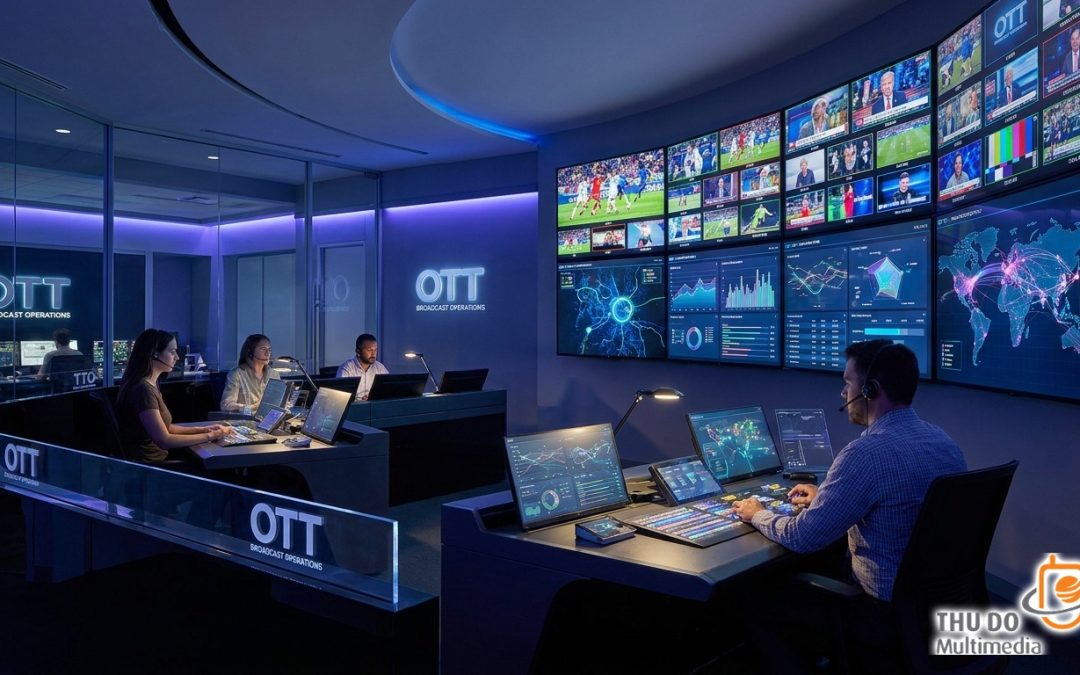
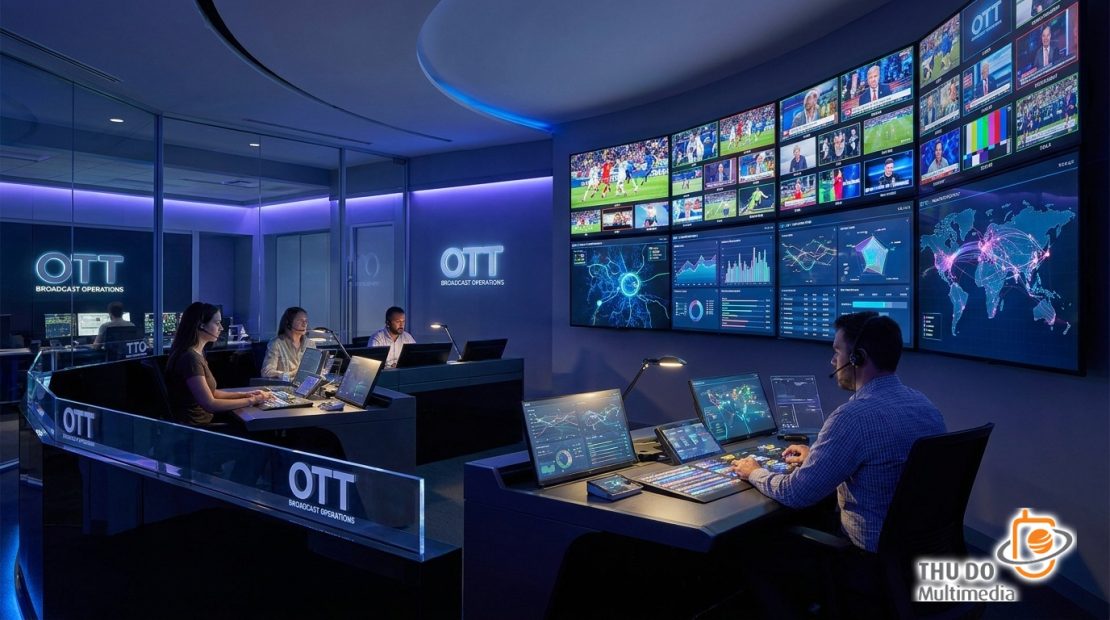
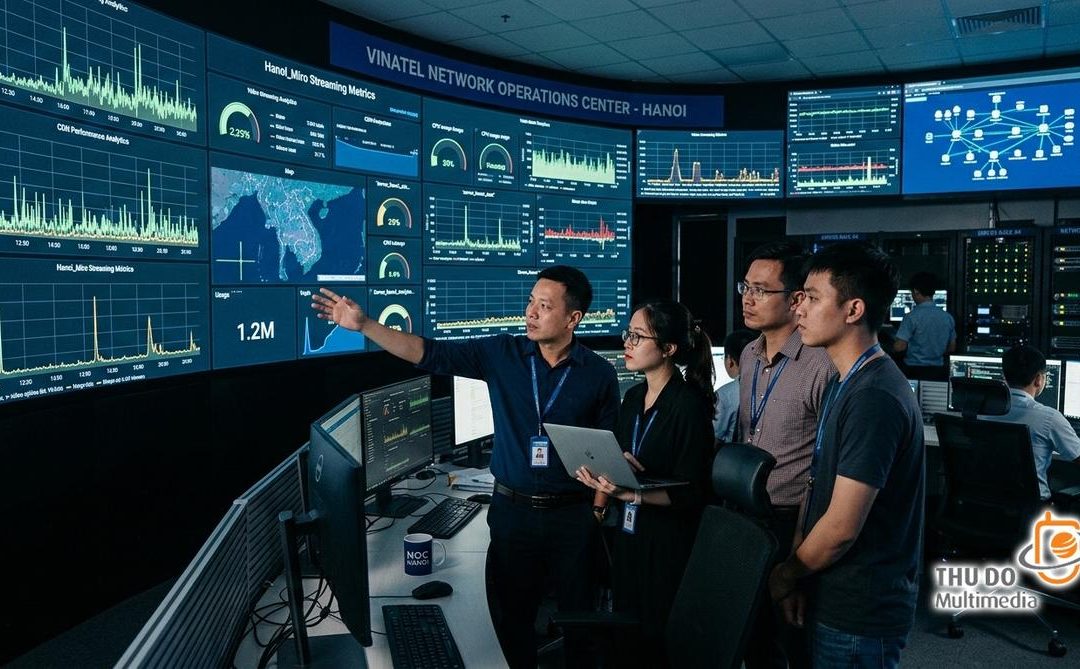
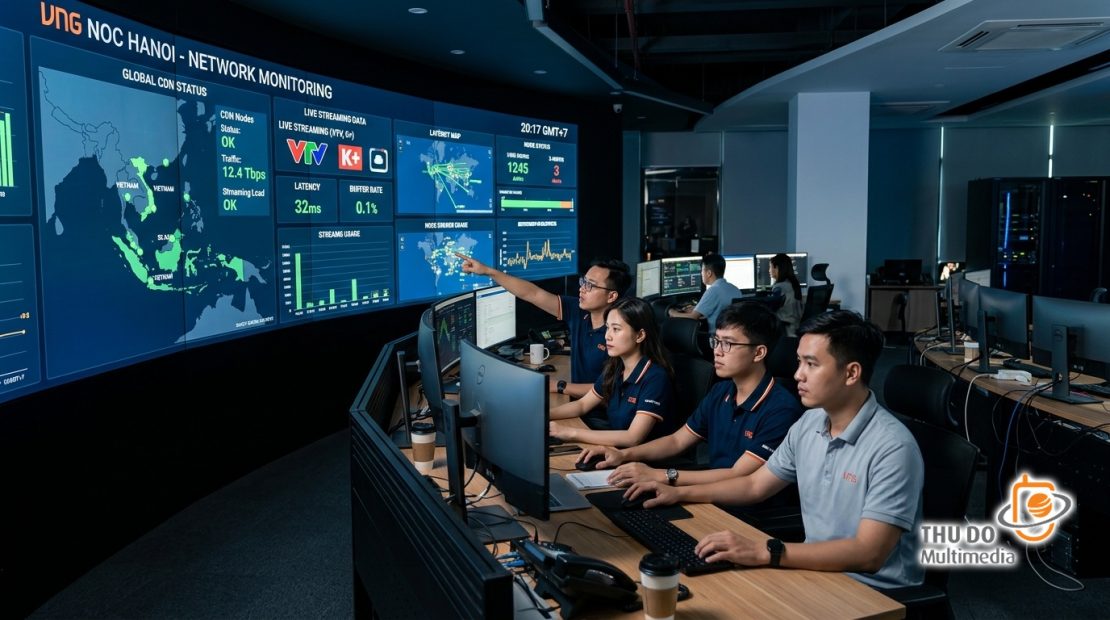
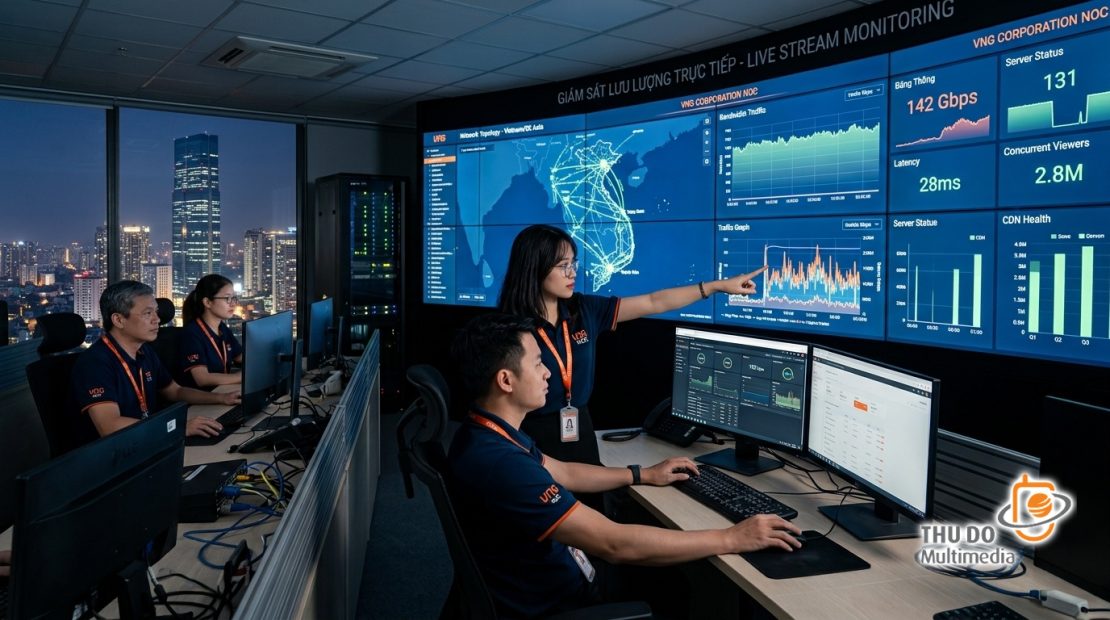
A high-tech digital control room monitoring media distribution, user analytics, and live streaming performance.

Conclusion: Analyzing the Top 3 most popular TV content in Vietnam

We have journeyed through the complex, multi-layered landscape of Southeast Asia’s most dynamic media market. While internet video, short-form content, and social media platforms continue to fiercely challenge traditional revenue models, the core demand for high-quality, long-form storytelling remains higher than ever before. Whether it is the unifying power of a VTV3 prime-time broadcast, the binge-worthy allure of a Korean limited series on OTT platforms, or the deep cultural resonance of a local drama on SCTV14, audiences are willing to invest their time and money into premium experiences.

Understanding the Top 3 most popular TV content in Vietnam is only half the battle. The true differentiator for broadcasters and media providers today is the underlying technology that delivers this content. By leveraging comprehensive, Enterprise-grade solutions like those pioneered by Thủ Đô Multimedia—from Sigma Interactive’s two-way engagement to the impenetrable security of Sigma Multi DRM—media companies can protect their assets, delight their viewers, and establish a dominant, highly profitable position in the digital economy.


Frequently Asked Questions

What are the most watched TV channels in Vietnam?
Historically and currently, Vietnam Television (VTV) channels absolutely dominate the market. Based on extensive viewer reach metrics, VTV1 holds the top spot as the authoritative voice for news and current affairs, while VTV3 commands the entertainment sector with unparalleled nationwide reach.

What type of TV content is most popular in Vietnam?
Vietnamese audiences possess a diverse but distinct palate. They highly favor a mix of prime-time local family dramas and domestic game shows broadcasted on VTV3. Simultaneously, there is a massive appetite for international content, particularly Korean romantic comedies and high-stakes thriller series hosted on global streaming platforms.

Are streaming services replacing traditional TV in Vietnam?
While traditional television is undoubtedly facing revenue challenges due to the rapid rise of VOD and Internet platforms, it is far from being replaced. Traditional TV remains a massive cultural force, with surveys indicating that 8 out of 10 people in Vietnam still watch television on a daily basis. The landscape is not about replacement, but rather convergence and multi-screen consumption.

Where can I watch top rated Vietnamese dramas?
The highest-quality domestic dramas are primarily found within specialized local Pay-TV ecosystems. Audiences tune into channels such as SCTV14 (the dedicated Vietnamese Movies Channel), VTVCab’s ON Phim Việt, and HTVC Thuần Việt. Additionally, viewers can access a vast library of this premium local content through highly optimized local OTT streaming applications like VTVGo and ON+.

Trend of purchasing television service packages via banking apps in Vietnam in 2026: The Ultimate Guide

Key Takeaways:
* The Trend of purchasing television service packages via banking apps in Vietnam in 2026 is driven by a massive 91% Connected TV (CTV) penetration rate intersecting with a financial landscape where 95% of banking transactions are now digital.
* Gen Z and Millennials, who comprise 72.5% of online shoppers, are abandoning traditional payment methods in favor of integrated “Super App” ecosystems utilizing e-wallets, QR codes, and Buy Now, Pay Later (BNPL) options.
* For broadcasters and Internet Service Providers (ISPs), capitalizing on this consumer shift requires robust, enterprise-grade backend infrastructure like Thủ Đô Multimedia’s Sigma OTT to ensure seamless API connectivity, instant activation, and uncompromised digital rights management (DRM).

In our experience navigating the rapidly evolving intersection of digital media and financial technology, we have witnessed a monumental shift in how consumers access entertainment. Gone are the days of waiting for a physical technician to activate a cable box or handing over cash to a monthly collector. Today, the Trend of purchasing television service packages via banking apps in Vietnam in 2026 represents a fundamental behavioral shift, transforming smartphones into universal remote controls for both wealth management and digital lifestyle consumption. As the digital economy matures, understanding the underlying mechanisms of this seamless transaction process is crucial for consumers seeking convenience, and mandatory for media providers aiming to survive.

The Intersection of Fintech and Media: The Trend of purchasing television service packages via banking apps in Vietnam in 2026

To truly grasp the magnitude of digital banking television subscription trends Vietnam 2026, we must first contextualize the explosive growth of the nation’s digital economy. By 2025, Vietnam’s digital economy Gross Merchandise Value (GMV) reached a staggering $39 billion. Within this massive ecosystem, online media carved out an impressive $6 billion share. This sheer volume of capital flowing through digital channels sets the perfect stage for highly integrated payment solutions. We are no longer looking at isolated industries; fintech and digital media have fused into a singular, cohesive ecosystem where frictionless transactions are the baseline expectation of the modern consumer.

At the heart of this transformation is the deeply connected Vietnamese consumer. Demographically, the nation in 2026 boasts over 102 million people with a vibrant median age of 33.9. Coupled with an 84.4% smartphone penetration rate across 85.6 million internet users, the audience is natively primed for digital-first behaviors. This isn’t just about having access to technology; it is about a lifestyle where the smartphone operates as the central command hub for daily life. When a young professional decides they want to watch a weekend Premier League match, they do not turn to a web browser; they turn to the trusted applications already residing on their mobile home screen.

The catalyst accelerating this merger is the unprecedented boom in Connected TV (CTV). In our deep industry analyses, we noted that CTV penetration in Vietnam has hit an astonishing 91%. Simultaneously, nearly 95% of all banking transactions are now processed digitally. The inevitable outcome of these two statistics is a user base that demands seamless customer journeys. We see this reflected in dynamic bank satisfaction rankings—where institutions like HSBC have rapidly climbed the charts by offering simple, safe, and frictionless digital lifestyle purchases. Users want to see a premium movie trailer on their Smart TV, open their banking app, and unlock the channel in seconds.

Decoding the Consumer Adoption of TV Service Purchasing in Vietnam Banking Apps

The mechanics behind buying TV service packages through banking apps Vietnam reveal a fascinating narrative of shifting purchasing habits. Historically, subscribing to a television service involved a high friction journey: purchasing physical scratch cards, navigating clunky telecom portals, or dealing with door-to-door cash collections. Today, digital-first behaviors dominate both product discovery and conversion. Consumers demand immediacy. The physical boundaries of commerce have dissolved, replaced by a mandate for instant gratification where a media subscription is treated with the same transactional ease as ordering a cup of coffee.

This behavioral pivot is heavily supported by the absolute dominance of E-Wallets and QR code technology. In the current landscape, QR codes account for 54.9% of the mobile payment market size. Furthermore, the e-wallet sector is spearheaded by giants like MoMo, holding a commanding 56% market share, followed closely by ZaloPay at 23%. These platforms have meticulously trained consumers over the years to manage recurring bills—electricity, water, and internet—natively within their apps. Transitioning this learned behavior toward consumer adoption of TV service purchasing in Vietnam banking apps was an organic, frictionless next step, requiring almost zero consumer education.

We must also acknowledge the demographic engine driving this trend: Gen Z and Millennials. Currently comprising 72.5% of online shoppers, these cohorts dictate market trajectories. Their expectations for digital services are uncompromising. They do not tolerate latency, whether it is in video buffering or payment processing. When they want access to an exclusive 8K live streaming event, they expect the transaction to clear instantly directly from their mobile banking interface. It is this exact demographic pressure that forces broadcasters and ISPs to abandon legacy billing systems and integrate directly into modern fintech ecosystems.

Key Benefits: The Convenience of Paying for Cable TV via Mobile Banking Vietnam

The rise of the “Super App” model is central to understanding the convenience of paying for cable TV via mobile banking Vietnam. Modern banking and wallet applications are no longer mere ledgers of debits and credits; they are comprehensive lifestyle aggregators. Users deeply appreciate the consolidation of their digital lives. Instead of juggling multiple accounts, passwords, and credit card inputs across various external telecom websites, everything is centralized within the highly secure, familiar ecosystem of their primary financial institution. This centralization dramatically reduces cart abandonment rates for media providers.

Financially, this integrated model is incredibly attractive to the end-user. Digital payments inherently lower operational transaction costs, savings which are frequently passed down to the consumer. Banks and media providers frequently collaborate to offer exclusive cashback programs, loyalty points, or immediate discounts for in-app purchases. Moreover, the integration of Buy Now, Pay Later (BNPL)—a service now utilized by 49% of Vietnamese consumers in a $2.61 billion market—allows users to easily finance premium, annual television packages without feeling the immediate burden of a lump-sum payment.

However, providing this instant activation requires immense technical prowess behind the scenes. When a user authorizes a payment via mandatory biometric authentication, the banking API must communicate instantly with the media provider’s Headend system. This is where industry-leading infrastructure, such as the solutions provided by Thủ Đô Multimedia, becomes indispensable. By leveraging their End-to-End Sigma OTT platform, broadcasters and ISPs can utilize the Sigma Backend (CMS/BSS) to establish flawless API connectivity with banking networks. This ensures that the moment a payment clears, the television package is activated in milliseconds. Furthermore, the proprietary Sigma Multi DRM technology guarantees that this newly purchased, premium content remains cryptographically secure against stream ripping, protecting the digital assets of the media provider while delivering a flawless user experience.

Leading the Charge: Integrated Banking App Utilities for Media Services 2026

The race to offer the best banking app lifestyle features Vietnam television subscription has ignited fierce competition between traditional financial institutions and agile neobanks. Traditional banks, tracking dynamic customer satisfaction benchmarks, are aggressively updating their legacy systems to remain relevant. Conversely, digital-native neobanks like TNEX (boasting over 2.4 million customers) and Timo are building their entire value proposition around lifestyle integration. They view media subscriptions not as a peripheral feature, but as a core utility that drives daily app engagement and boosts the average revenue per user (ARPU).

A pivotal player in this ecosystem is the Zalo mega-ecosystem. With an astonishing 86.6% penetration rate among the Vietnamese populace, Zalo’s integration with ZaloPay creates an unparalleled distribution channel. Media providers are leveraging Zalo’s mini-programs and chat interfaces to market and sell TV packages directly to users where they spend the majority of their screen time. The friction from seeing an advertisement for a new blockbuster movie to purchasing the required VOD package has been reduced to a mere couple of taps within a chat window, representing the pinnacle of integrated banking app utilities for media services 2026.

To maximize these conversion rates, AI-driven personalization has become the industry standard. With 78% of the online population adopting AI technologies in various forms, banks are utilizing sophisticated machine learning algorithms to analyze user spending habits. If the system detects recurring payments for gaming or high-speed internet, the dashboard will dynamically recommend premium e-sports or 4K movie TV packages. To deliver this content flawlessly across multi-platforms, media providers rely on technologies like Sigma Package Origin and Sigma Multi CDN from Thủ Đô Multimedia. These systems dynamically package the content and route it through edge computing networks, ensuring ultra-low latency playback that matches the premium nature of the personalized banking offer.

Looking Ahead: The Future of Digital Payment Services for Television in Vietnam

As we project the future of digital payment services for television in Vietnam, cross-border media purchasing emerges as the next frontier. Vietnam’s expanding regional payment connectivity—exemplified by the NAPAS expansion into Thailand, Singapore, and beyond—hints at a near future where consumers can seamlessly subscribe to regional international TV packages directly from their local banking apps. The geographical barriers of digital rights and currency conversion will be managed invisibly by the backend, allowing users to consume global content with local transactional ease.

Furthermore, the BNPL market’s aggressive 36.5% year-on-year growth trajectory signifies that “Subscribe Now, Pay Later” will become the default standard for media consumption. Media providers will increasingly shift away from precarious month-to-month subscription models, leveraging fintech partnerships to lock in 12-month annual contracts via BNPL. This provides broadcasters with predictable, stabilized revenue streams while offering consumers an affordable, compartmentalized payment structure for premium, high-resolution entertainment.

For B2B stakeholders—from national broadcasters to local ISPs—the actionable advice is unambiguous: isolation is obsolescence. To capitalize on the Trend of purchasing television service packages via banking apps in Vietnam in 2026, organizations must urgently upgrade their core media processing architectures. Partnering with a specialized Media Provider like Thủ Đô Multimedia allows businesses to deploy an enterprise-grade, Cloud-native streaming infrastructure that natively speaks the language of modern fintech APIs. By embracing these integrated digital ecosystems, media companies can turn high-quality digital content into highly liquid, easily monetizable assets, securing their competitive advantage in a mobile-first digital economy.


Câu hỏi thường gặp (Frequently Asked Questions)

What is the best banking app for buying TV service packages in Vietnam?
Based on current market dominance and utility, top e-wallets like MoMo (56% market share) and ZaloPay (23%) lead the pack due to their deep integrations with national broadcasters and ISPs. Among digital banks, neobanks like TNEX and Timo are highly recommended, as their platforms are specifically engineered for lifestyle integrations, offering seamless, instant API connections to major television providers.

Are there extra fees when purchasing television services via digital banking?
In our experience, there are generally no extra fees imposed on the consumer. In fact, purchasing through these digital avenues is often much cheaper. Because digital processing lowers operational costs, banks and e-wallets frequently offer app-exclusive promotions, cashbacks, and loyalty points that you cannot get through traditional telecom portals or physical scratch cards.

Can I use Buy Now Pay Later (BNPL) to pay for an annual TV subscription in Vietnam?
Absolutely. The surge in BNPL adoption—now used by 49% of Vietnamese consumers in a rapidly growing $2.61 billion market—has revolutionized media subscriptions. Banking apps now allow users to purchase premium, 12-month 4K/8K television packages and effortlessly split the cost into smaller, interest-free monthly installments.

How secure is paying for cable TV via mobile banking in Vietnam?
It is exponentially more secure than traditional cash collections or entering credit card details on random websites. With 95% of banking transactions now digital, Vietnamese banking apps employ advanced biometric security (fingerprint, facial recognition) and instant, encrypted APIs. Furthermore, when the media provider utilizes enterprise-grade backend systems like those from Thủ Đô Multimedia, your account details and digital rights are protected by multi-layered encryption protocols.

Enterprise-grade DRM and Content Security for South Asian OTT Providers 2027

Enterprise-grade DRM and Content Security for South Asian OTT Providers 2027

The digital horizon across South Asia is shifting. Fast. By 2027, the regional streaming landscape will no longer be a playground for experimental content; it will be a multi-billion dollar battlefield. But here is the cold reality: as revenue climbs, so does the sophistication of the digital pirates lurking in the shadows. Is your architecture ready for the storm?

The Evolving Threat Landscape for South Asian Streaming (2027 Perspective)

Rise of sophisticated piracy: Moving beyond credential sharing

The old-school “password-sharing” headache is now a minor concern compared to the threat of Widevine L3 leaks and replay attacks. These hackers are hungry. They target the very heart of the stream. They exploit the gaps between the player and the secure environment. If you aren’t evolving, you’re losing.

Regional infrastructure challenges: Balancing security with low-latency delivery

Streaming in South Asia means navigating a complex mesh of networks. Delivering 4K content to a budget-tier smartphone in a remote village while maintaining military-grade encryption is an engineering nightmare. How do we keep the latency under 200ms without sacrificing security? It requires a delicate, almost artistic balance. Think of it like crafting the perfect bowl of bird’s nest soup. Just as the Yến đại ngàn sinh thái hữu cơ 100% không tanh nồng requires precise, clean sourcing to ensure purity, your media pipeline needs a pristine architecture that doesn’t choke under the weight of heavy encryption.

Building a Resilient Architecture: Secure Video Delivery for South Asian Media

Implementing secure video delivery architecture for South Asian media

Scalability is the name of the game. When the match starts, your system needs to breathe. It needs to auto-scale, distributing load across multiple edge nodes instantly. This isn’t just about technical capacity; it’s about user trust.

Transitioning to multi-DRM solutions for South Asian streaming platforms

Complexity is the enemy of security. Yet, we must embrace multi-DRM solutions for South Asian streaming platforms to bridge the gap between fragmented devices. Whether it’s Widevine, PlayReady, or FairPlay, your system must handle them as one seamless entity using CENC. It’s about creating an experience that is as enduring as the sợi yến dai giòn tự nhiên chưng 2 tiếng không nát rã—robust, consistent, and satisfying even under the most intense conditions. This is the Tinh hoa yến đại ngàn of content protection.

Advanced Content Protection Strategies for OTT Providers 2027

Deploying enterprise-grade forensic watermarking for OTT

You need a silent watcher. By integrating enterprise-grade forensic watermarking for OTT, you embed unique, invisible identifiers into every frame of the stream. If a leak occurs, you don’t just know that it happened; you know exactly where the breach started. It’s the ultimate accountability tool.

Dynamic tokenization and session-based security models

Stagnant security is dead security. You must move toward dynamic tokenization, where session keys rotate in milliseconds. If a pirate manages to grab a key, it’s already obsolete by the time they try to use it.

Market-Specific Challenges: Anti-Piracy in Emerging Markets

Leveraging anti-piracy and digital rights management for emerging markets

We need solutions that work even when the connection is spotty. Anti-piracy and digital rights management for emerging markets must be lightweight on the client-side but heavy on the server-side logic.

Addressing the “offline viewing” security gap

Offline downloads are a goldmine for pirates. If you allow offline playback, you must ensure that the encrypted file remains tied to a device-bound license that refuses to leave the secure zone.

Compliance and Regulatory Landscape

Navigating compliance and regulatory standards for content security in Asia

Local data sovereignty laws are tightening. Compliance and regulatory standards for content security in Asia are no longer suggestions; they are the baseline for market entry.

Data privacy alignment: Ensuring GDPR/local privacy law compatibility

Privacy is the new currency. Your backend must treat user data as if it were your own. Anonymization, strict access controls, and transparent reporting are the pillars of long-term compliance.

Scaling for the Future: Best Practices for 2027

Best practices for scalable DRM infrastructure for 2027

The future belongs to the agile. Hybrid models—where cloud-native processing meets localized, high-speed edge delivery—will win the day. Avoid vendor lock-in. Build an ecosystem that integrates seamlessly rather than a monolith that crumbles under its own weight.

AI-driven threat detection: The next frontier in content security

The final piece? Artificial Intelligence. By deploying AI to monitor the “health” of your stream and detect anomalies in real-time, you turn your defense from a wall into a living organism.

As we look toward 2027, remember: in the world of high-stakes media, your reputation is your most valuable asset. Protect it with the same care you would apply to the finest harvest—because at the end of the day, delivering excellence is what defines the leader. That is the true Tinh hoa yến đại ngàn of digital media.

Strategic Forecast of the 10 global OTT platforms with the highest revenue in 2026

**Key Takeaways:**
* The global OTT market is experiencing a massive evolution, boasting a projected 14.6% CAGR as platforms pivot from pure subscription models to hybrid ad-supported tiers (AVoD/FAST).
* Netflix and Amazon Prime Video continue to dominate the highest revenue brackets, but regional titans like JioHotstar are disrupting global metrics with record-breaking concurrent live viewership.
* The success of future platforms heavily relies on mastering ultra-low latency infrastructure, robust Server-Side Ad Insertion (SSAI), and military-grade DRM systems to protect multibillion-dollar content investments.
* Strategic adoption of localized content and enterprise-grade technological ecosystems, such as those provided by Thủ Đô Multimedia, determines which platforms scale profitably across diverse geographical markets.
Welcome to our deep dive into the digital entertainment landscape. If you are looking for a definitive **Forecast of the 10 global OTT platforms with the highest revenue in 2026**, you have come to the right place. We are witnessing an unprecedented shift in how humanity consumes media. The living room television is no longer tethered to a cable box; it is powered by algorithmic precision and cloud-native infrastructure. Over our years of analyzing streaming architecture and media economics, one truth has emerged: capturing audience attention is only half the battle; monetizing and delivering that stream flawlessly dictates long-term survival. Let us explore the heavyweights reshaping this multi-billion dollar industry.
## Executive Summary: The **future of global OTT market size**
The rapid evolution of the global Over the Top (OTT) services market stands as one of the most remarkable technological triumphs of the decade. We are tracking a staggering projected Compound Annual Growth Rate (CAGR) of 14.6% spanning from 2026 to 2033. Streaming has firmly dethroned traditional broadcast television. By May 2025, streaming platforms had already captured a historic 44.8% of all television viewership in the United States, leaving legacy broadcast and cable networks scrambling to adapt. This is not merely a shift in consumer preference; it is a fundamental restructuring of global media distribution.
Beneath the surface of this explosive viewership growth lies a massive shift in monetization strategies. While Subscription Video on Demand (SVoD) remains a formidable revenue engine, we are witnessing a tectonic surge toward Advertising Video-on-Demand (AVoD) and Free Ad-Supported Streaming TV (FAST). Consumers are experiencing subscription fatigue, pushing platforms to innovate with hybrid pricing models. To capture every demographic tier, streaming giants are unlocking new, highly lucrative avenues for revenue generation by embedding highly targeted advertising directly into their broadcasts. Furthermore, with over 45% of users relying on mobile devices (iOS/Android), the demand for scalable, cloud-based infrastructure that seamlessly connects smart TVs and smartphones is higher than ever.
Operating at this colossal scale requires technological backbones that most content creators simply cannot build in-house. In our experience, broadcasters and ISPs aiming to capture a slice of this market must rely on comprehensive, enterprise-grade architectures. This is precisely where industry leaders like Thủ Đô Multimedia step in. Their Sigma OTT ecosystem provides a true End-to-End Turnkey Solution, encompassing everything from dynamic video packaging to multi-CDN delivery and robust user management. By deploying such comprehensive architectures, media providers can aggressively expand their market footprint without the paralyzing friction of building core IT infrastructure from scratch.
## **OTT industry market share analysis 2026**: Key Drivers
The fierce battle among the top streaming players hinges entirely on the continuous production and acquisition of exclusive original content. Content is the primary differentiator. When a viewer logs in, they are not paying for the app; they are paying for the cinematic universe exclusive to that platform. However, funding these billion-dollar content slates requires astronomical capital. To retain subscriber bases while recovering costs, platforms are forced into a delicate balancing act between hiking subscription prices and offering affordable, ad-supported tiers.
This pricing pressure is highly visible when we examine Average Revenue Per User (ARPU). In highly competitive, hyper-growth markets like India, the overall OTT ARPU is projected to hit a very healthy $40.44 in 2026. Achieving this ARPU relies on the strategic convergence of technology and entertainment. Mega-conglomerates are no longer just selling streams; they are locking users into expansive ecosystems. Tech behemoths intertwine their streaming services with hardware sales, e-commerce benefits, and cloud storage, effectively building walled gardens that make it economically irrational for a consumer to cancel their subscription.
Delivering this content profitably brings us to the most critical, yet often overlooked, driver: backend processing efficiency. Pushing 4K and 8K resolutions to millions of concurrent users can bankrupt a platform through storage and bandwidth costs alone. Static video packaging is obsolete. Modern platforms require technologies like Sigma Package Origin by Thủ Đô Multimedia. By utilizing Just-in-Time dynamic packaging, this Cloud-native engine converts single video inputs into multiple formats (HLS, DASH) only exactly when a user requests it. This brilliantly simple yet computationally intense mechanism slashes network storage costs by up to 70%, proving that market dominance is won in the server room just as much as on the Hollywood soundstage.
## Top streaming platforms by revenue forecast (The 2026 Top 10)
Legacy media empires and Silicon Valley tech conglomerates are currently carving up the **top streaming platforms by revenue forecast**. The highest-earning OTT services worldwide are defined not just by their subscriber counts, but by their sheer infrastructural resilience and monetization versatility.
### 1. Netflix
Netflix maintains its iron grip as the undisputed king of SVoD, generating an estimated $31.6 billion in sales revenue globally. Their dominance is fueled by a terrifyingly accurate personalization engine and an aggressive global content acquisition strategy. In highly contested regions like India, Netflix has carved out a 22% market share (Q1 2026), generating over ₹4,000 crore locally. Their ability to push localized content to global audiences remains unparalleled.
### 2. Amazon Prime Video
Forecasted to hit approximately $25 billion in streaming-related revenue, Amazon Prime Video is the ultimate e-commerce streaming hybrid. Prime Video does not just sell entertainment; it acts as a massive retention tool for Amazon’s global delivery network. Capitalizing on bundled Prime memberships, they retain an estimated 25-30 million paid subscribers in key international markets alone. By blending exclusive movie rights with aggressive live sports acquisitions, Amazon secures a fiercely loyal subscriber base.
### 3. YouTube
While often categorized as a user-generated platform, YouTube is a massive OTT revenue generator and the undisputed FAST/AVoD global titan. In growth markets like India, YouTube is expected to generate a staggering ₹16,000-₹18,000 crore in 2026. However, the reliance on ad revenue introduces the existential threat of adblockers. To combat this, advanced platforms integrate Server-Side Ad Insertion (SSAI). Technologies like Thủ Đô Multimedia’s Sigma DAI SSAI stitch advertisements directly into the main video stream at the server level, rendering adblockers completely useless. This ensures 100% fill rates and protects ad margins while delivering a buffer-free, TV-like experience.

### 4. Apple TV+
Representing the **most profitable streaming services prediction** for hardware-driven tech brands, Apple TV+ is estimated to pull in approximately $4 billion globally in 2026. Apple’s strategy strictly targets a premium demographic, investing deeply in high-budget original content rather than buying up legacy back-catalogs. They cross-promote flawlessly across the iOS and Apple TV ecosystem. Protecting these premium assets is paramount. Apple enforces rigorous DRM (FairPlay), a standard seamlessly integrated into centralized security solutions like Sigma Multi DRM, ensuring that high-value streams cannot be intercepted or pirated across any device.
### 5. Hulu
Projected to generate close to $4 billion in revenue, Hulu pioneers the “skinny” television package model. By offering Hulu + Live TV, it elegantly bridges the gap between traditional cable and on-demand streaming for the North American market. Hulu’s financial brilliance lies in its hybrid model, blending premium SVoD revenues with an incredibly lucrative adware/ad-supported tier that maximizes ARPU far beyond what a pure subscription model could achieve.
### 6. JioHotstar
A prime example of regional dominance disrupting global rankings, the Disney-backed JioHotstar is forecasted to earn over $1.3 billion (₹10,000-₹11,000 crore) in India alone. The scale is staggering: 100 million subscribers, 500 million active users, and a world record of 61.2 million concurrent viewers during a live sports broadcast in 2025. Surviving a 60-million-user flash crowd requires flawless traffic balancing. Media providers facing similar scale leverage solutions like Sigma Multi CDN from Thủ Đô Multimedia. By utilizing AI to continuously monitor global nodes, Sigma Multi CDN instantly routes traffic across multiple international and local ISP CDNs in milliseconds, preventing the catastrophic buffering that ruins live events.
### 7. ZEE5
Expected to earn ₹1,200-₹1,400 crore in 2026, ZEE5 proves that hyper-localized content is a global weapon. With 70 million Monthly Active Users (MAUs), ZEE5 strategically targets the global diaspora by churning out high-demand regional content in languages like Bengali, Marathi, and Punjabi. They have successfully exported local culture to an international subscriber base, establishing themselves as a highly profitable regional powerhouse.
### 8. SonyLIV
Projected to generate ₹1,200-₹1,400 crore in 2026, SonyLIV anchors its business model on the lifeblood of modern television: Live Sports. With an estimated 50 million MAUs, sports programming accounts for 35% of its daily viewing time. To maximize engagement during live matches, platforms integrate technologies like Sigma Interactive. This allows broadcasters to overlay real-time live voting, gamification, and even Shoppable TV features directly onto the sports stream with zero latency, transforming passive viewership into an interactive, high-retention experience.
### 9. MX Player
Generating the bulk of its ₹1,300-₹1,500 crore projected revenue through AVoD, MX Player is the ultimate ad-supported contender. With over 500 million installs, it proves that offering free, high-quality content with minimal subscription upgrades captures massive market share in developing economies. Its success highlights the undeniable shift toward FAST channels in regions where disposable income for multiple SVoD services is limited.
### 10. Emerging Niche Platforms (Rakuten / Specialized SVoD)
Rounding out the **highest earning OTT services worldwide** are specialized platforms like Rakuten, Crunchyroll, and BritBox. They prove that you don’t need to be everything to everyone. By focusing intensely on specific genres—anime, British television, or e-commerce integrations—these platforms cultivate fiercely loyal, highly profitable micro-audiences, effectively stealing market share from the broader giants.
## **Growth trends for subscription video on demand 2026**
As we look toward the horizon, the most defining growth vector is the explosive rise of AVoD and FAST channels. Advertising Video-on-Demand revenue is surging globally. In India alone, AVoD is expected to reach an astonishing $1.47 billion, proving that robust ad-supported tiers are absolutely vital for survival in 2026. Concurrently, mobile-first content delivery has revolutionized UI/UX design. Because the vast majority of consumers stream via high-speed mobile internet, OTT providers must engineer their frontends for iOS and Android environments. Systems like Thủ Đô Multimedia’s Sigma Frontend utilize component-based architecture to deliver 60fps, zero-delay playback across Smart TVs and smartphones without requiring distinct codebases, radically reducing time-to-market.
However, massive revenue attracts massive threats. Piracy remains the existential crisis of the OTT sector. Hackers continuously develop new techniques to rip streams and bypass basic security measures, leading to severe government interventions. For instance, the Indian government blocked over 30 OTT apps in 2025/2026 for severe content violations and piracy facilitation. Protecting digital assets requires more than basic encryption; it demands proactive, military-grade architectures.
To combat this, elite media platforms deploy Thủ Đô Multimedia’s Sigma Multi DRM. This is not just a passive lock on a video file. Built with the revolutionary SAO (Sigma Active Observer) AI module, it actively monitors the network for suspicious decryption requests, instantaneously blocking devices attempting to execute Widevine or PlayReady leaks. Coupled with Sigma Dynamic Watermarking—which invisibly embeds specific user IDs into every frame of video—administrators can trace a pirated livestream back to the exact compromised account within minutes. This proactive defense mechanism is what gives global content providers the confidence to license billion-dollar sports and cinematic properties.
## **Video streaming platform revenue rankings 2026**: Regional Spotlights
When analyzing geographical performance, North America’s dominance remains unchallenged. Led by the United States and Canada, high broadband penetration and intense consumer adoption keep this region at the top of the revenue charts. It certainly helps that North America serves as the corporate headquarters and primary testing ground for titans like Netflix, Amazon, Apple, and Hulu. These companies dictate global UI/UX trends and establish the technical baseline for streaming quality worldwide.
Conversely, the Asia-Pacific (APAC) market is experiencing an absolute explosion in scale. Markets like India are forecasted to hit an astonishing OTT user base of 549.32 million in 2026, generating a massive $4.82 billion in total revenue. SVoD will contribute a healthy $2.55 billion, but the sheer volume of ad-supported viewers is fundamentally altering how platforms build their business cases. The data proves that to capture this booming market, global platforms must invest heavily in local languages. Amazon Prime Video and Netflix are currently pouring billions into Telugu, Tamil, and Malayalam cinema to secure loyalty outside of metropolitan hubs.
Handling this complex matrix of regional content, diverse payment gateways, and localized metadata requires phenomenal backend orchestration. Broadcasters shifting into the digital space rely on architectures like the Sigma Backend by Thủ Đô Multimedia. This Cloud-native command center handles massive Big Data analytics in real-time, integrating multi-currency BSS/OSS billing systems, and providing C-level executives with the precise dashboard analytics needed to optimize content acquisition and drive ARPU across highly fragmented regional markets.
## Forecast of the 10 global OTT platforms with the highest revenue in 2026: Conclusion
In our extensive analysis of the **global OTT market revenue projections 2026**, one theme remains constant: adaptability is the ultimate currency. The future belongs to platforms that can successfully blend premium SVoD libraries with highly targeted AVoD delivery. Securing exclusive live sports rights and continuously investing in original, hyper-localized content will separate the true market leaders from the niche survivors, driving the industry toward its impressive 14.6% global CAGR.
However, content is entirely useless if the stream buffers, the app crashes, or the signal is pirated. The technological chasm between legacy broadcasters and digital-first OTT platforms is closing, thanks to comprehensive enterprise solutions. By partnering with advanced media infrastructure providers like Thủ Đô Multimedia, broadcasters and telcos can instantly deploy military-grade DRM, AI-driven Multi CDN routing, and frictionless dynamic packaging. This allows media enterprises to stop worrying about server maintenance and focus entirely on what truly matters: delivering unforgettable stories to a global audience.
—
## Câu hỏi thường gặp (Frequently Asked Questions)
**1. Which OTT platform is predicted to have the highest revenue in 2026?**
In our definitive forecast, Netflix is projected to remain the highest-earning OTT platform worldwide. With estimated sales revenues surpassing $31.6 billion globally, their dominance is driven by a massive SVoD subscriber base, an expanding footprint in emerging markets, and highly successful integrations of ad-supported tiers.
**2. What is the projected growth rate of the global OTT market?**
The global Over the Top (OTT) Services market is exhibiting phenomenal financial health, forecasted to grow at a highly robust Compound Annual Growth Rate (CAGR) of 14.6% between 2026 and 2033. This growth is heavily fueled by the transition from traditional cable TV to smart, multi-device streaming ecosystems.
**3. How are AVoD and FAST changing the streaming industry in 2026?**
Advertising Video-on-Demand (AVoD) and Free Ad-Supported Streaming TV (FAST) are rapidly becoming primary revenue pillars. By shifting away from pure subscription models, platforms can capture budget-conscious consumers. In rapidly growing markets like India alone, AVoD is expected to generate $1.47 billion in 2026, relying on advanced Server-Side Ad Insertion (SSAI) technologies to maximize monetization.
**4. What streaming service holds the record for the most concurrent viewers?**
Disney-backed JioHotstar currently holds the world record for the highest live streaming viewership. They achieved an astonishing 61.2 million simultaneous live viewers during a major cricket broadcast in 2025, demonstrating the immense power of mobile-first audiences and highly optimized CDN infrastructure.
**5. How much revenue does Amazon Prime Video generate?**
As a crucial component of Amazon’s broader global e-commerce ecosystem, Amazon Prime Video is estimated to generate roughly $25 billion in revenue. By bundling streaming with retail logistics and live sports acquisitions, it solidifies its place as the second-highest-earning OTT service globally.